The technology behind this site
And the answer to the question of how one comes up with the idea of using WordPress as a CMS.
As some technically inclined people have probably already noticed, this website is not developed entirely from scratch, but unlike my last two homepages, it is built on WordPress, an open-source CMS.
To counter some of the surprise about this decision, I want to explain here how I came to it and what else has changed.
Why WordPress?
In recent years, I have tried out a lot of different ways to build a website. Up to now, I have created my private websites completely from scratch, but for client work I now recommend choosing a CMS or a JavaScript framework like Gatsby or Jekyll, as long as you do not want a "set it and forget it" website. So if you just want to build the website once and never change anything again, then from my point of view a pure HTML/CSS/JS solution is still unbeatable. Even SSGs (Static Site Generator) do not reach the speed that a custom-developed solution offers. The disadvantages, however, are that the website involves significantly more effort (depending on the scope of the website, I assume a factor of 20 in additional work until it goes online) and is much harder to adapt afterwards.
When planning this website, it was already clear that starting from scratch again would not be an option. As I continued working out the concept, I ultimately decided against JS frameworks and in favor of the CMS WordPress, mainly for time reasons, because in the past I had primarily used Typo3 and Joomla!. I also specifically wanted to set up a blog, and WordPress is the market leader in that area.
WordPress, but how?
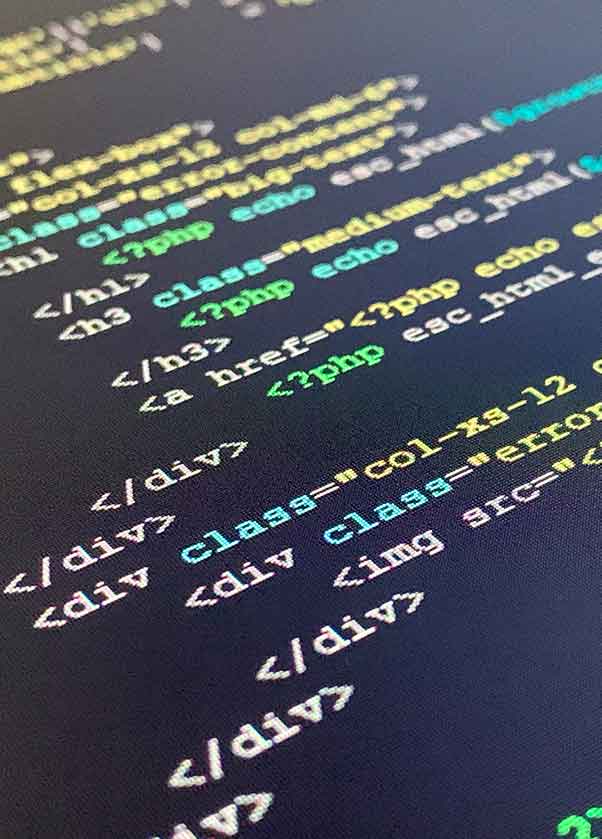
Even so, I wanted to do something different with the site than simply installing the default theme "twenty-twenty." So I started looking for a theme that I liked. But I could not find one that fit perfectly, which is why I came across the UX forge Quomodosoft on ThemeForest, who offered various themes with a high degree of customizability. So I downloaded one of the templates and began adapting the website in PHP according to my ideas. The main part of tailoring it to my needs was translating the functions so that I could build my website in German as well. I also worked with the WordPress mail stack and some other built-in features such as the search function.
In the WordPress setup, I also tried out the multi-site functionality, with which WordPress is now running in network mode on paul-goldschmidt.de and p3g3.de. The website is now running for the first time on my self-hosted server, which hosts the site with Ubuntu 20.04 LTS and nginx. Another advantage of self-hosting is the guarantee of 100% green electricity and direct hardware access, so I can react more quickly if there are problems with the server.
Final remarks
It remains to be seen how well WordPress performs in production use; in the worst case and if larger problems arise, I would switch the site over to Gatsby as a JS framework. Regular backups of the site are created automatically, so a complete loss of data is practically ruled out.
All in all, I am looking forward to my time with WordPress and am optimistic that this experiment will work.