STS: Simple temperature measurement, built in one evening
After the TemperatUHR project had proven itself more than well, I built a small "sister project" one evening this week that also works without Wi-Fi.
There’s no internet everywhere: The idea behind the STS measuring station
After my TemperatUHR project continues to be used frequently, there is one problem with the concept: You can only measure the temperature when there is a Wi-Fi connection nearby.
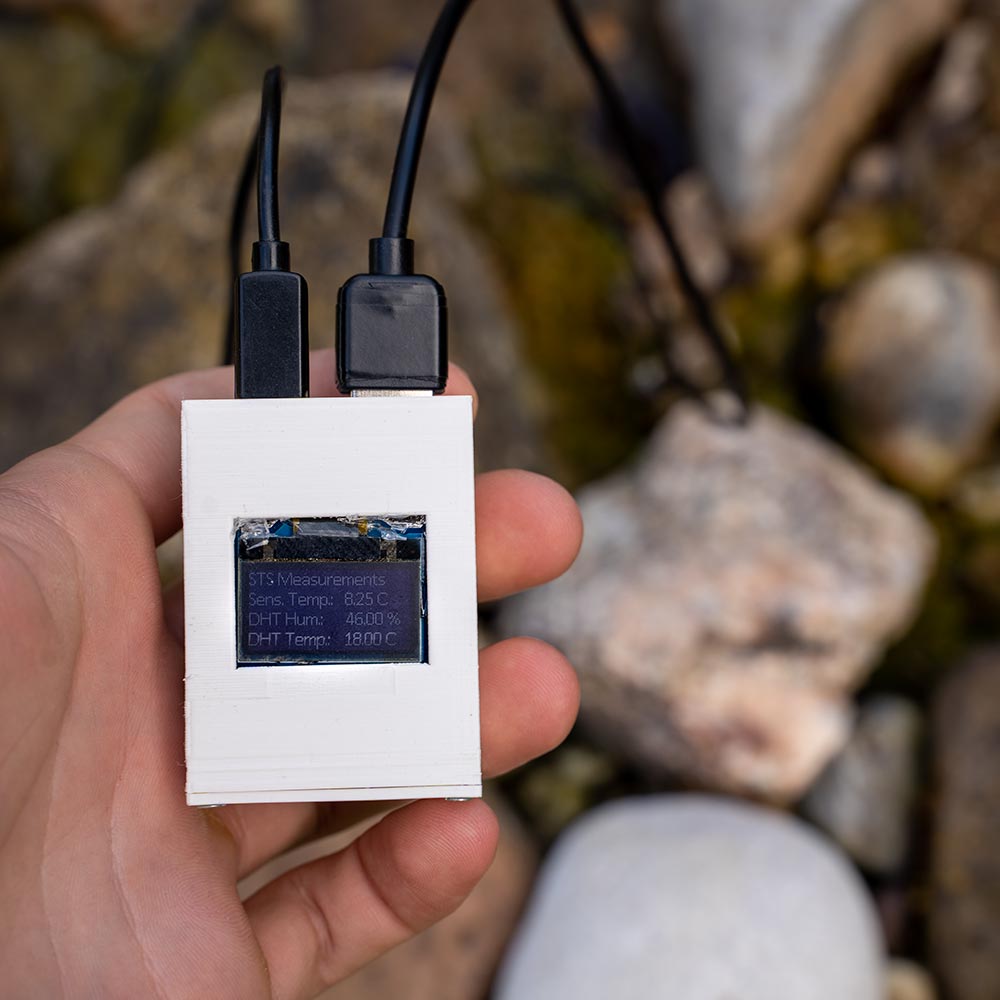
Still, I don’t always want to miss the option of precisely measuring liquids and gases when there is no local network available. That’s why one evening this week I had the idea of building a small measuring station without internet access that uses the same probe as the TemperatUHR project (a DS18B20 sensor). That would also give me the option of measuring the temperature of bodies of water: if you’re wondering whether a body of water is at a safe temperature for swimming, you can have the temperature displayed precisely.
One evening later
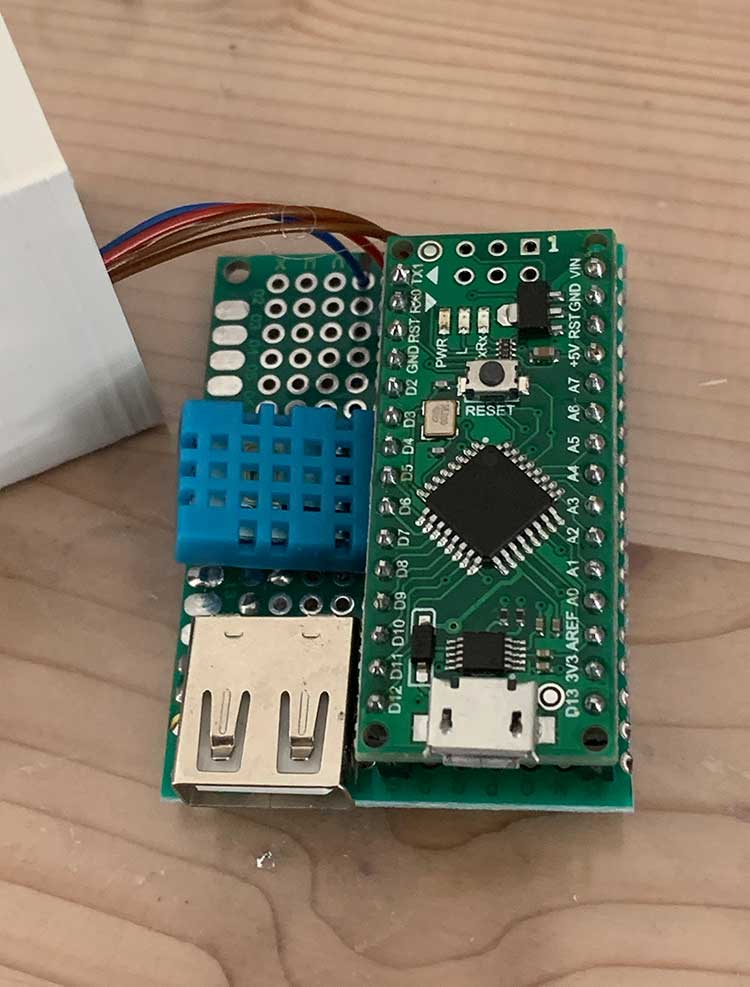
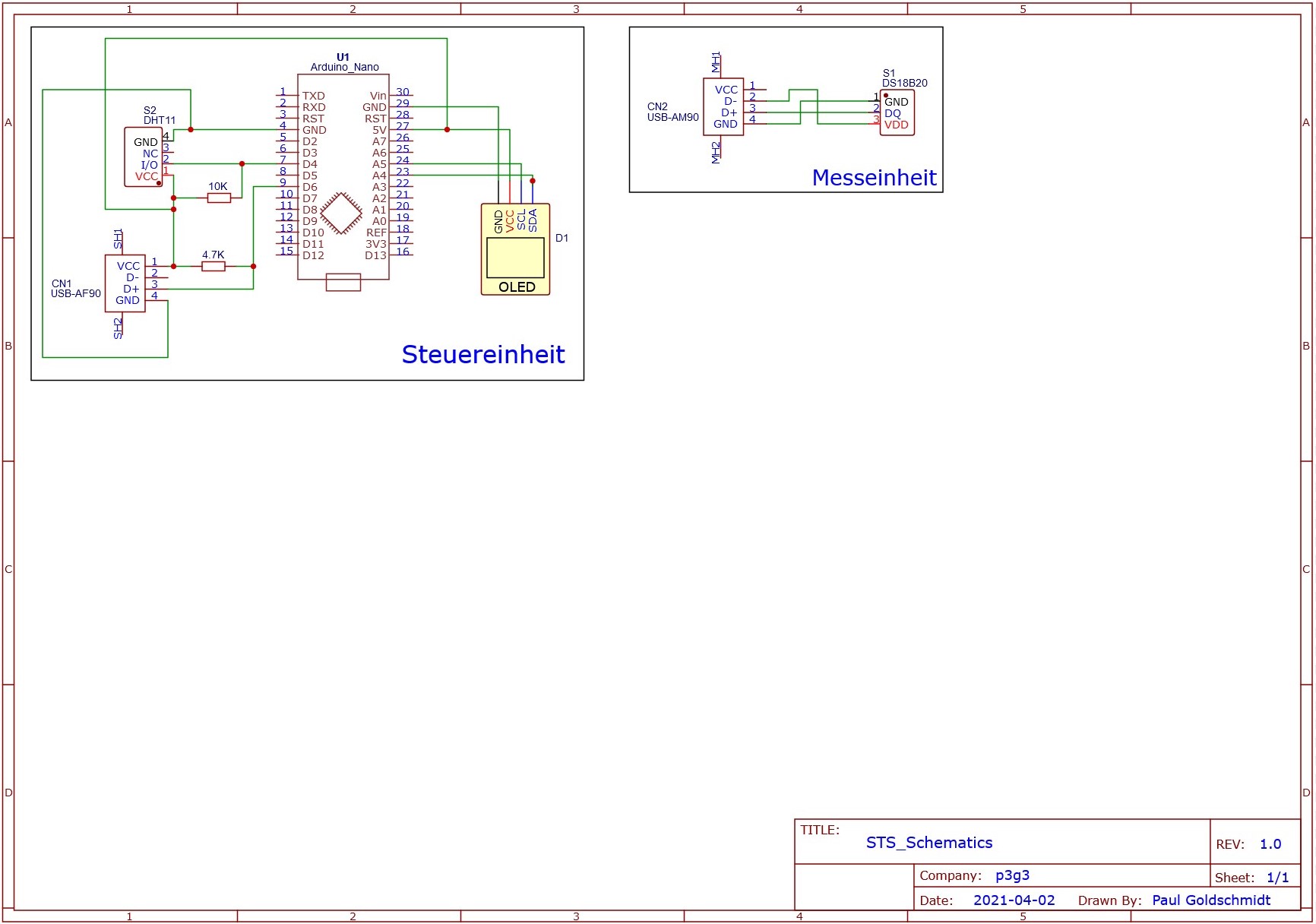
That same evening, I started putting the project idea into practice. I chose an Arduino Nano as the microcontroller, since I still had quite a lot of that type in my microcontroller stash.
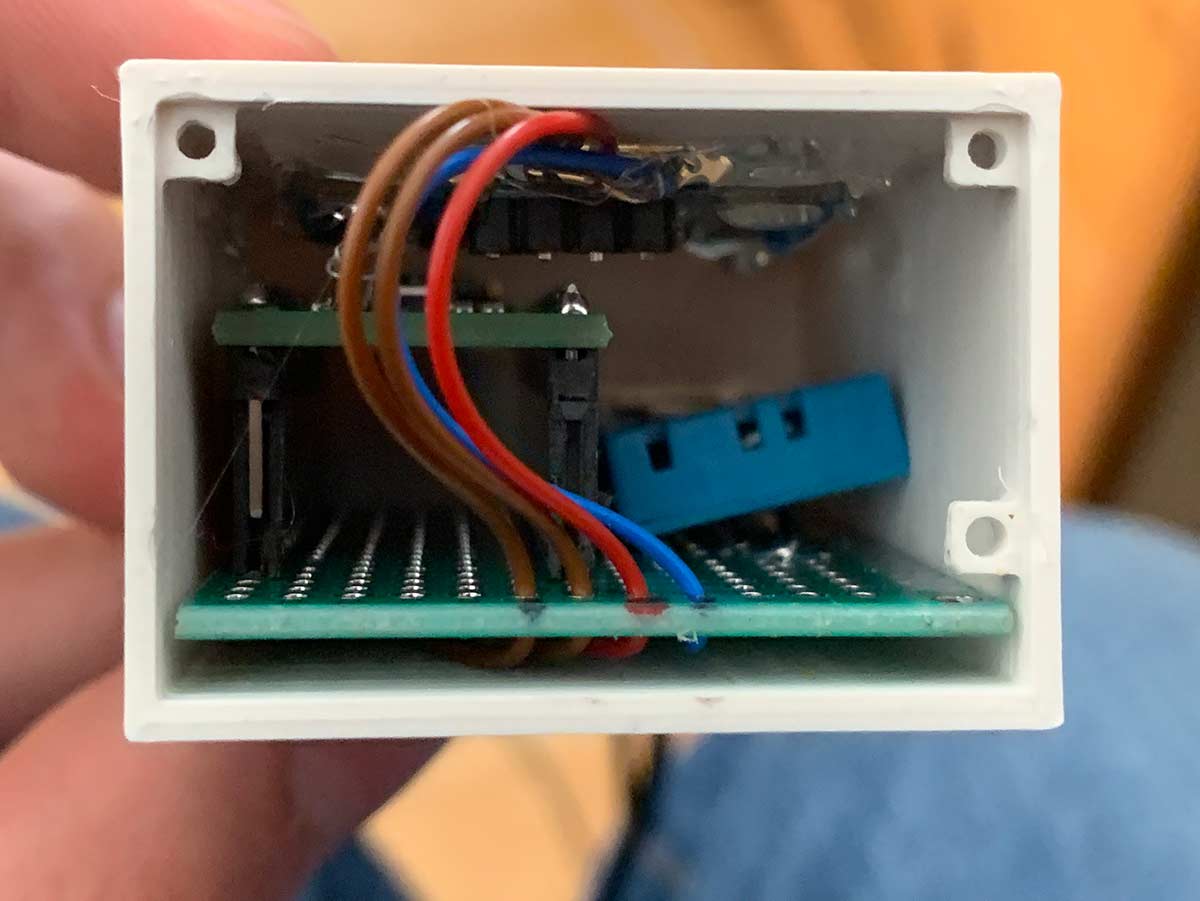
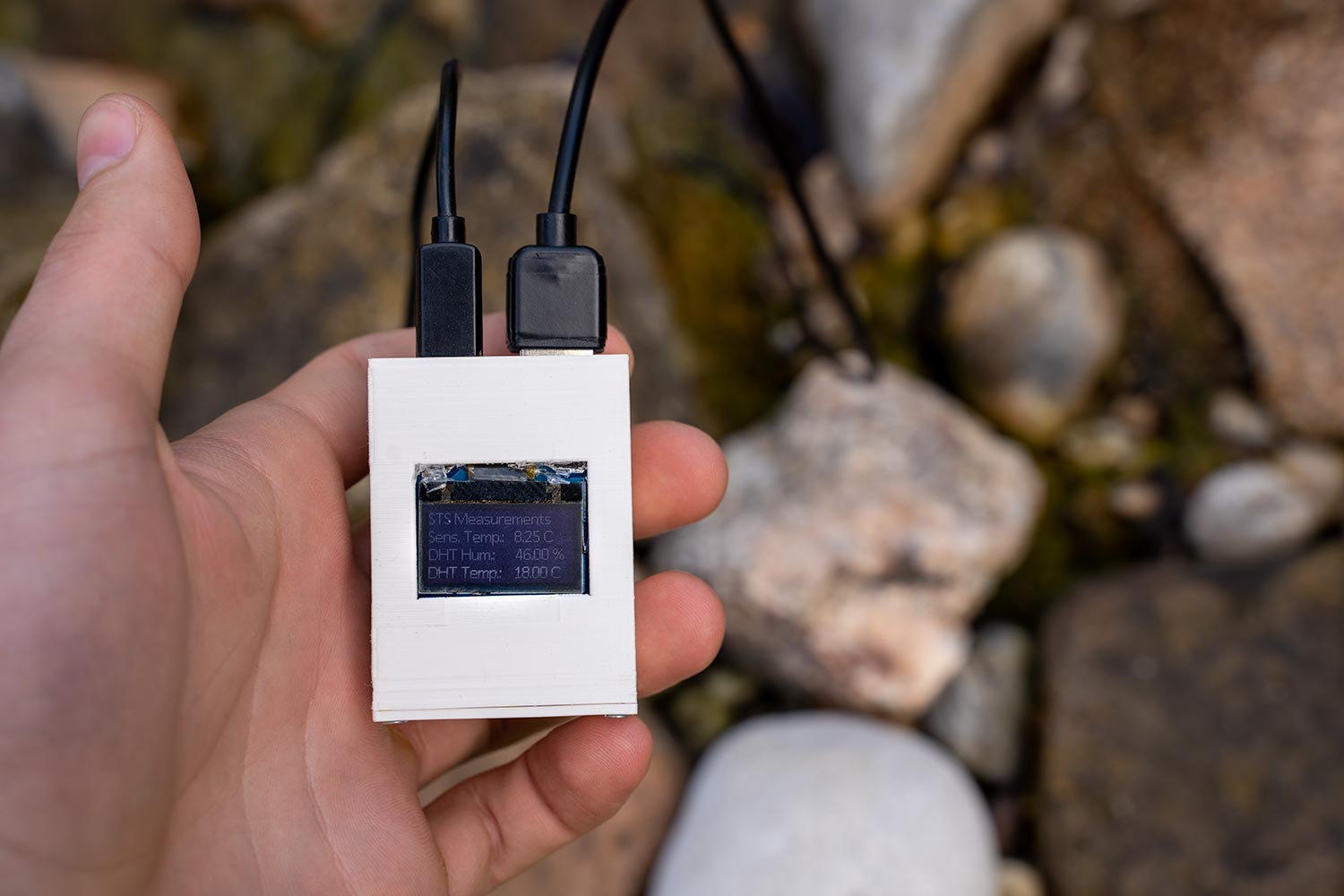
I also used a USB socket that I hadn’t been able to use for the TemperatUHR project because of bent pins (the contact surfaces to the circuit board). I also soldered a DHT11 sensor onto the board: normally I always recommend going with the DHT22 sensor series, since they are more accurate and only slightly more expensive. But for this project, I wanted to use only "surplus" materials in order to save costs and CO2 emissions. For displaying the measured values, I chose a small 0.96-inch OLED display with an I2C connection.
I soldered all of these parts (the Arduino with pin headers, so the microcontroller can be reused when the project is retired) onto a halved prototyping board.
Overview and links for the project
Once the enclosure had been developed (three revisions were needed in total), I uploaded all project parts to GitHub; that makes it easy to recreate again. GitHub