My Time in Stanford: Summer in the Bear State
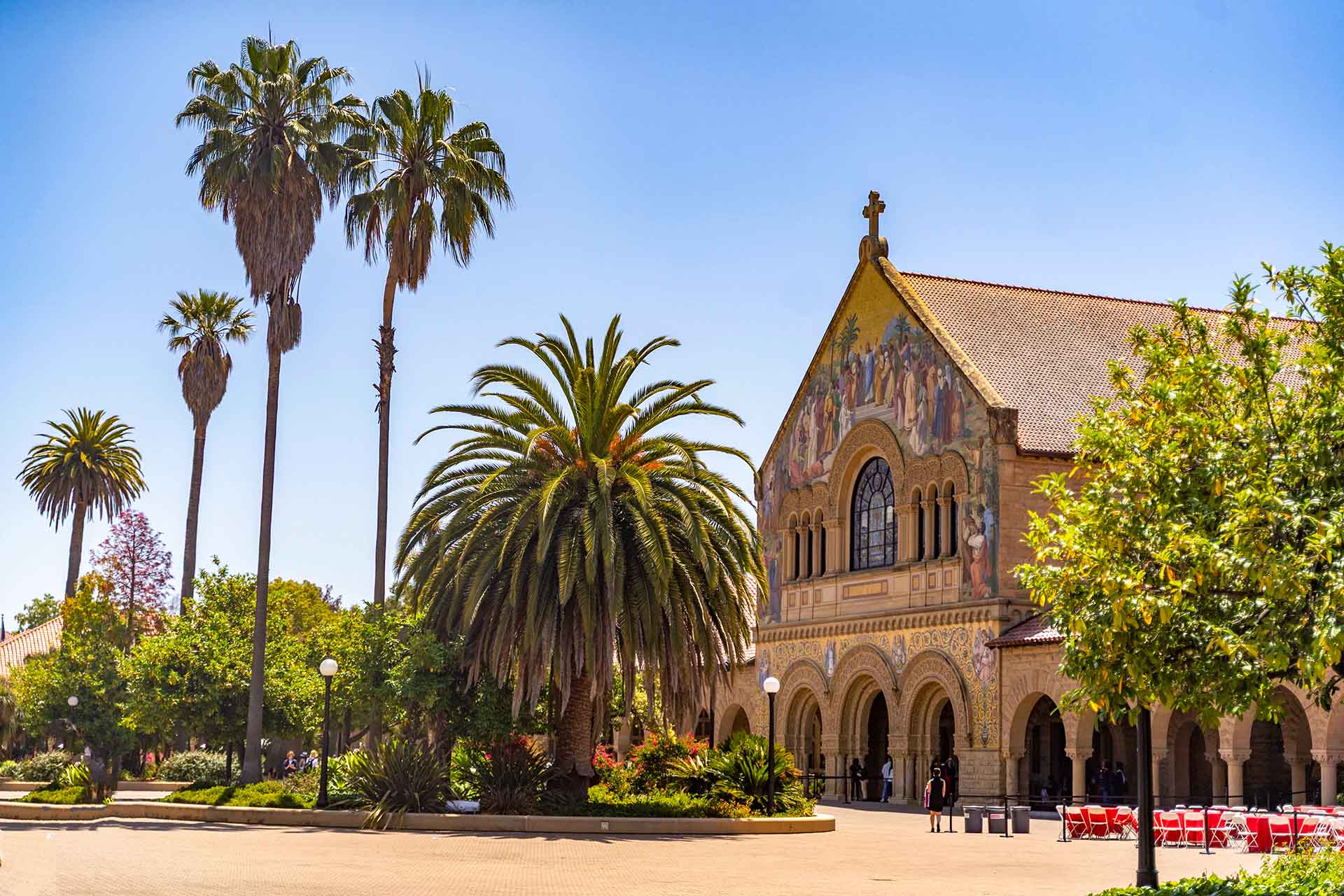
Now, shortly after Christmas with vanilla crescent cookies, mulled wine, and gingerbread—and definitely no snow, though slightly cooler temperatures—I’m finally getting around to writing about my warm time far away from Christmas markets and winter feelings at Stanford University in California.
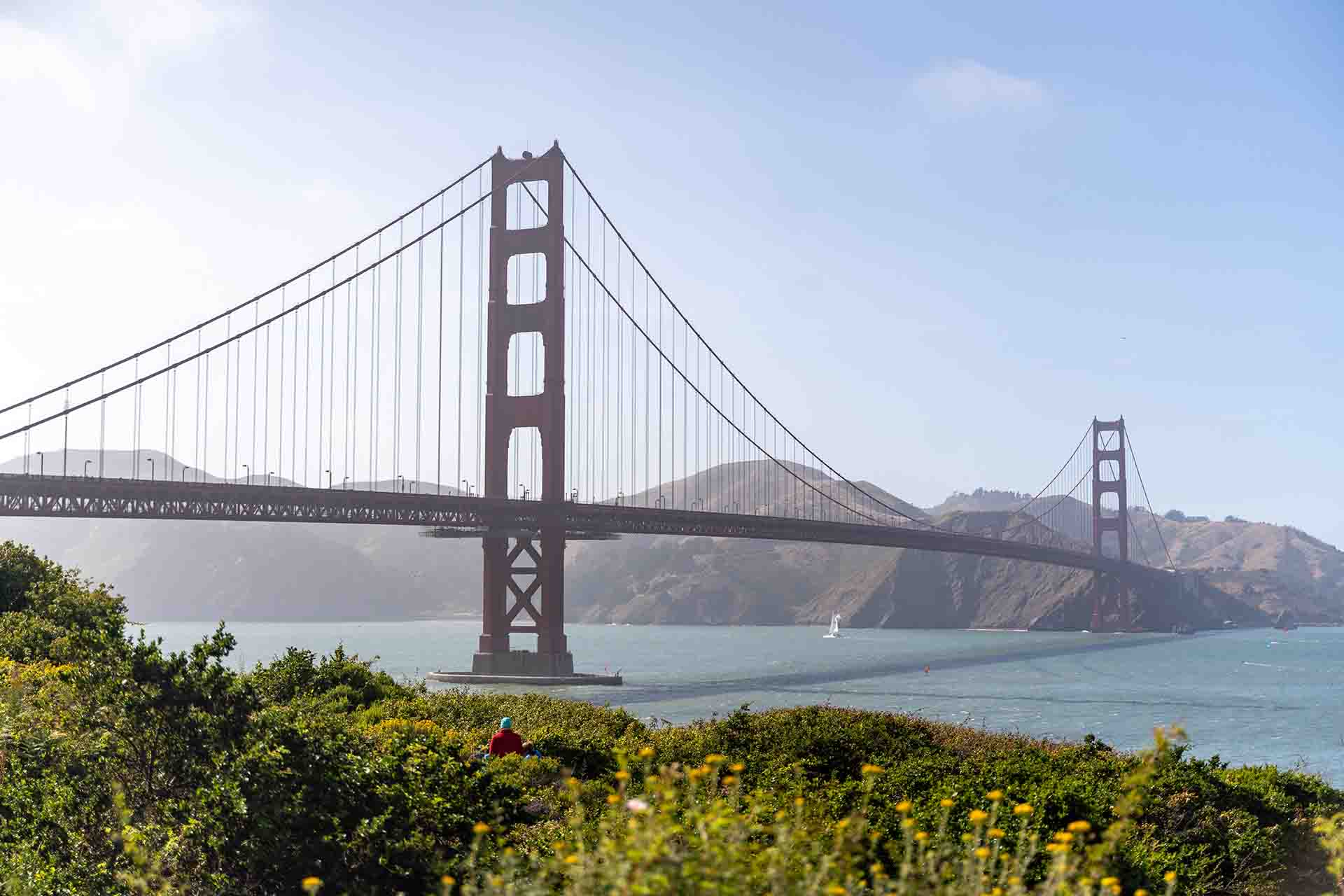
Some of you probably noticed already, surely also because of my unusually large number of pictures on Instagram over the last few months or the many commits on my GitHub: This summer I had the truly amazing opportunity to live, explore, and do research right on the grounds of Stanford University in the Bay Area. From April to September, I was on one of—if not the—most beautiful university campuses in North America. I had my own car (affectionately called “AIDA”), a studio in Escondido Village, and tens of thousands of smaller trips and tours around campus with (new) friends, fellow students, and research colleagues. With this blog post, I want to try, more or less chronologically, to look back on the summer and give a glimpse into a very different world of life around 10,000 kilometers away from my hometown of Hamburg.
A brief backstory
Ever since I visited the Stanford campus for about two hours purely as a tourist in September 2019 during my first trip to the United States, I had the university in the back of my mind. In 2022, I ended up on campus again spontaneously during the Transatlantic Summit, and at the time the idea of spending a longer period there felt so far-fetched that I never even considered applying for a program or even a degree in the US. That changed last summer when, via the GitHub homepage and my repo algorithm, I came across the project Stanford Spezi. I was especially interested in the project Engage-HF because last summer, before my crossing of the Alps on the L1, I had been working with the Apple Core Bluetooth framework to let some of my small projects talk to my iPhone via Bluetooth LE. One of them was a Bluetooth-enabled scale, which happened to also be intended for data exchange within the Spezi ecosystem as part of the Engage-HF project.
I made a small pull request and ended up in an active email exchange with the project’s research lead.
Since the research group was going to need more capacity in the future to support the steadily growing ecosystem around Spezi and the related study and patient work, the idea came up that I could join the research group as a Visiting Research Student, to support the team directly at Stanford. After some back and forth, it turned out that while the VSR route would be difficult as a bachelor’s student, the little-known program UVRI would explicitly—and even considerably more affordably—make it possible to work at Stanford Biodesign Digital Health, the research group behind Spezi.
With this idea in mind, we started in December 2024 to gradually complete the formal requirements for the UVRI program.
Finally, on 04/15/2025, I had my appointment at the US Consulate General in Frankfurt to apply for my J1 visa. I showed up with the DS-2019 and DS-7002 forms and, importantly, proof of payment of the SEVIS fee. The appointment lasted about 90 minutes.
A small tip: you can actually hand in your smartphone at the entrance and don’t have to leave it at home, even though that’s what the appointment confirmation email says. That way you don’t have to print out the route to the consulate and try to find the entrance with a paper map like I did.
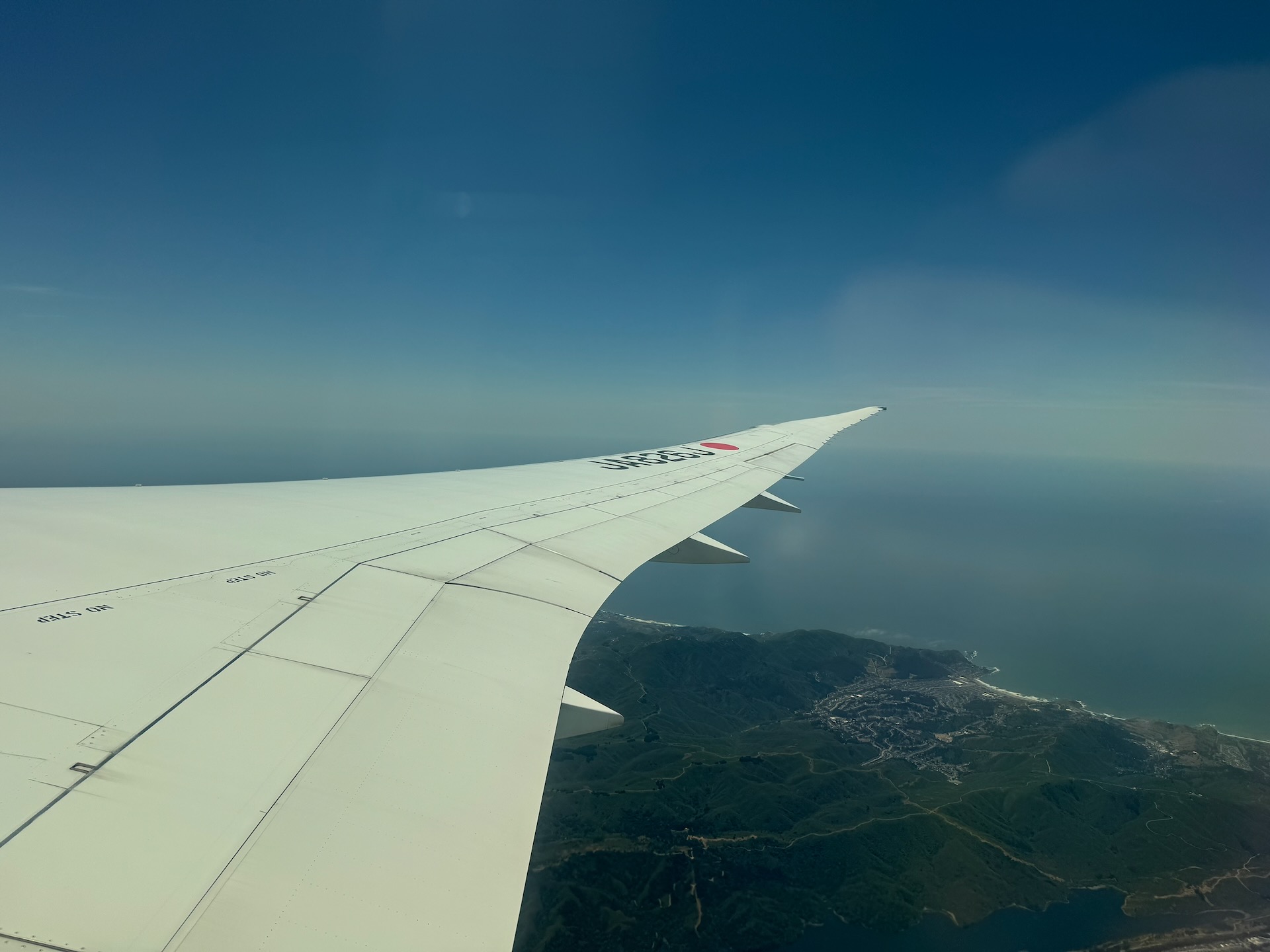
My visa arrived by mail the following week, and about three weeks later I left Germany, with a short detour via Japan to the World Expo on my way to California.
I gave up my rooms in Hamburg for the time being, and via supost I found a studio apartment in the EVGR Studios directly on the Stanford campus from Sergio, a PhD student, for about 2,000 US dollars per month.
Arriving in Stanford
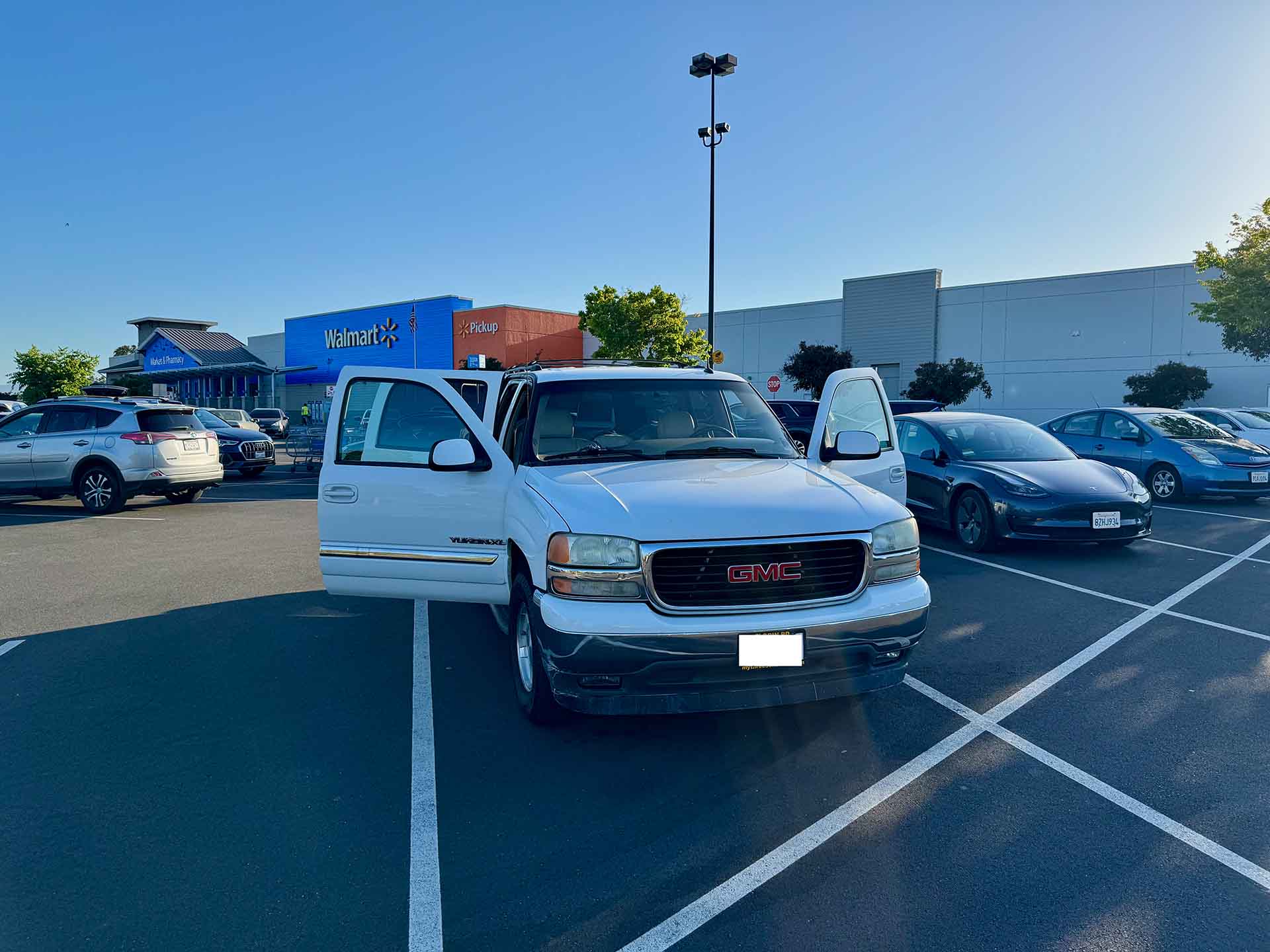
On May 31, right on the first valid day of my US visa, I landed at San Francisco Airport at 3 p.m. after a nine-hour flight (since I had crossed the date line, I arrived in North America at 3 p.m. the same day after departing at 9 p.m.). While standing in the immigration line, I happened to meet another VSR student, Lisa, with whom I would end up doing quite a few things around campus over the summer. Because we both had quite a lot of luggage, we got an Uber and set off on what should normally have been about a 30-minute ride toward the Stanford campus. But the usually very short drive a bit down the Bay toward San José stretched to nearly 75 minutes, because that evening Coldplay happened to be stopping at Stanford Stadium with their Music of the Spheres tour, making traffic toward campus more than just a little congested. Finally arriving on campus in around 25 degrees Celsius and glorious sunshine—almost guaranteed for that time of year in the Bay Area—we first drove to the Rains Apartments, where the nice Uber driver dropped off Lisa, and then a bit farther on dropped me off by the Escondido high-rises. There I picked up my 2005 GMC Yukon XL (295 hp from the factory, 5.3-liter V8 engine, uses more fuel while parking than a Toyota Prius does over 1,000 kilometers), the car that would accompany me for the coming months, and shortly after was able to start the engine of this ship (AIDA) for the first time:https://p3g3.de/content/files/2026/04/firststart.mov
Since I arrived on a Saturday, I was able to use the weekend to get a bit familiar with the area and the car. So my first trip took me straight to Walmart, where I bought some basics like water and a bit of fruit.
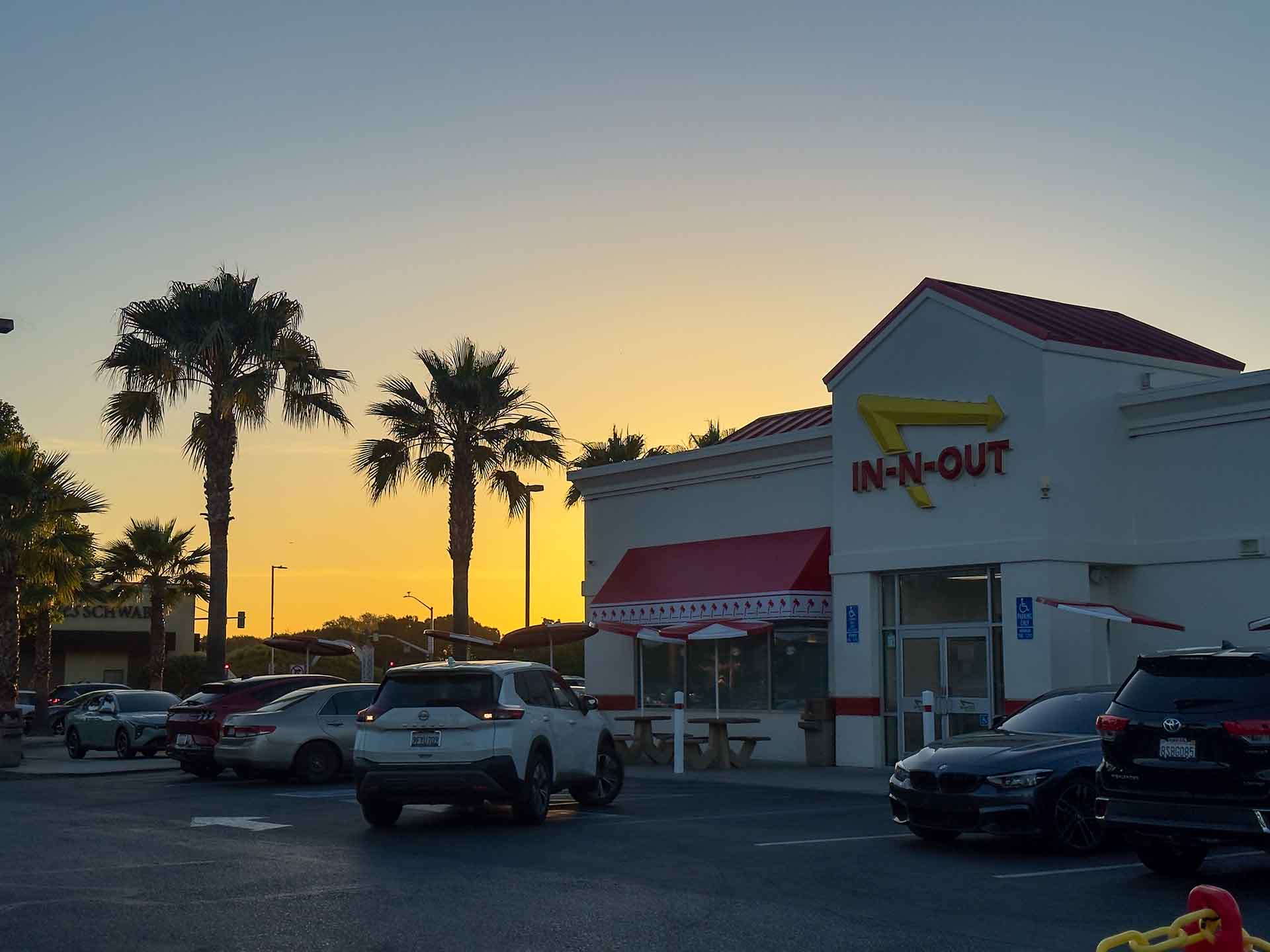
After the obligatory Walmart visit, there was another stop at the very top of my priority list: eating a double-double at In-n-Out, the cult burger chain and my absolute favorite fast-food place.
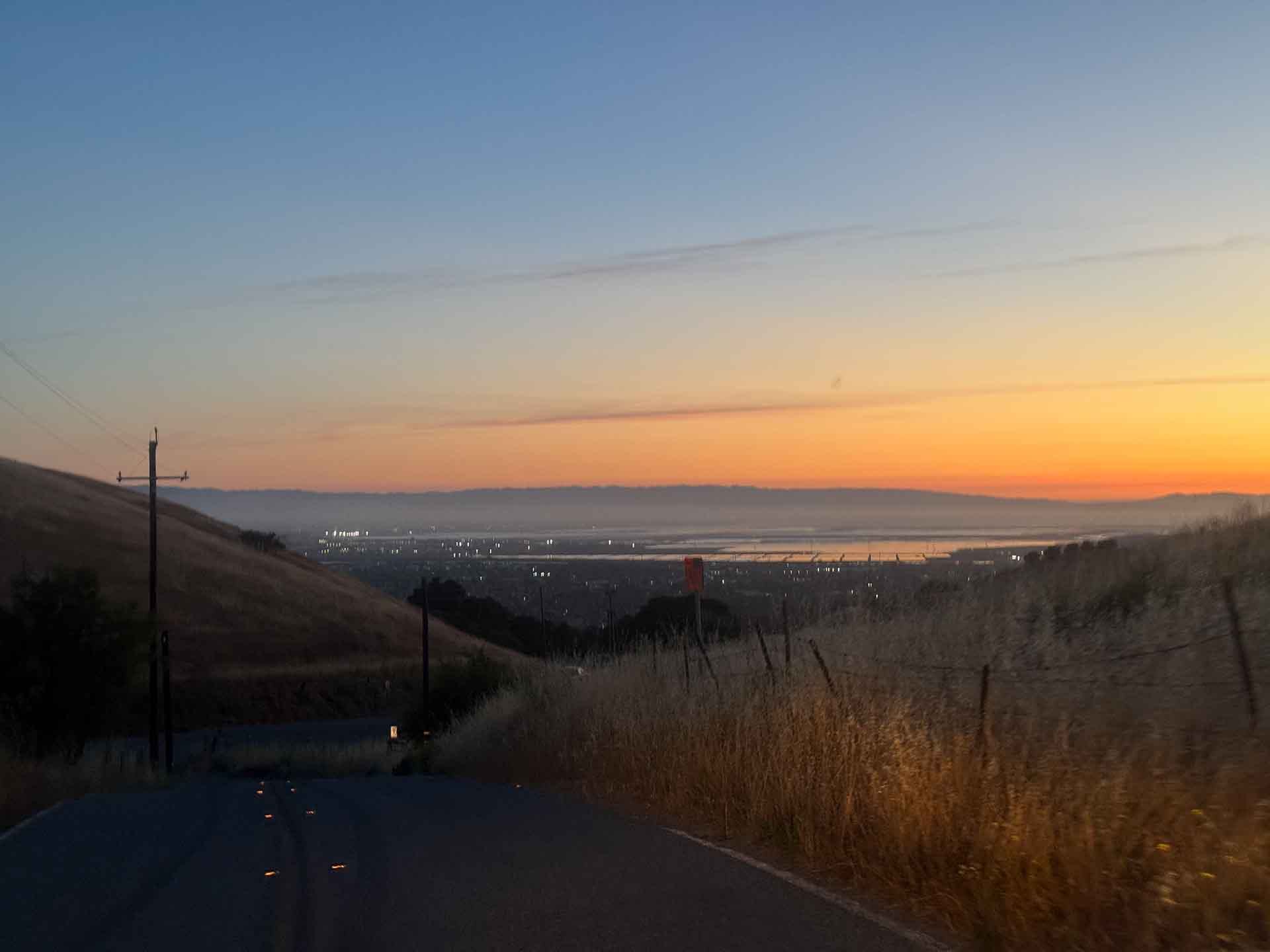
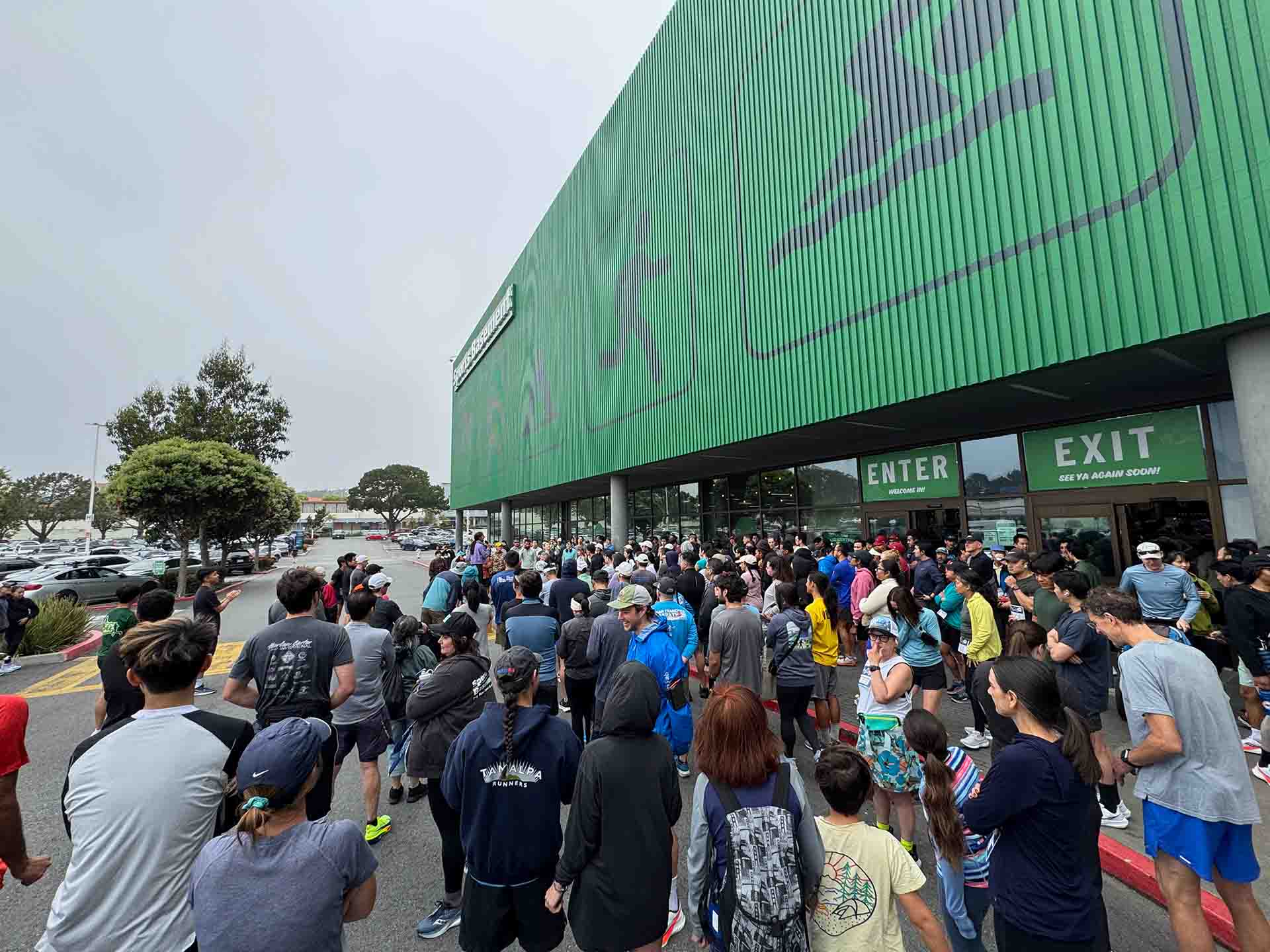
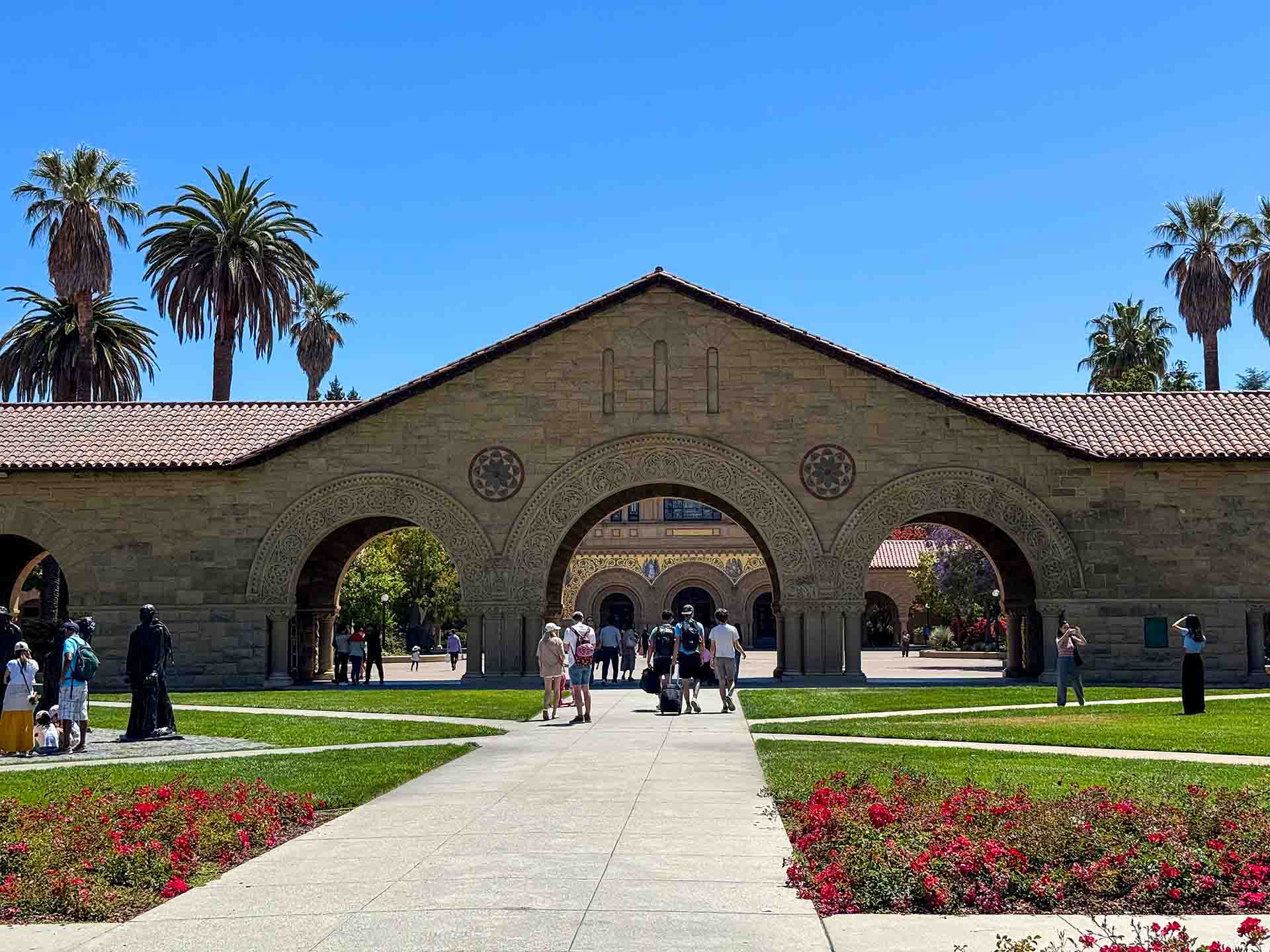
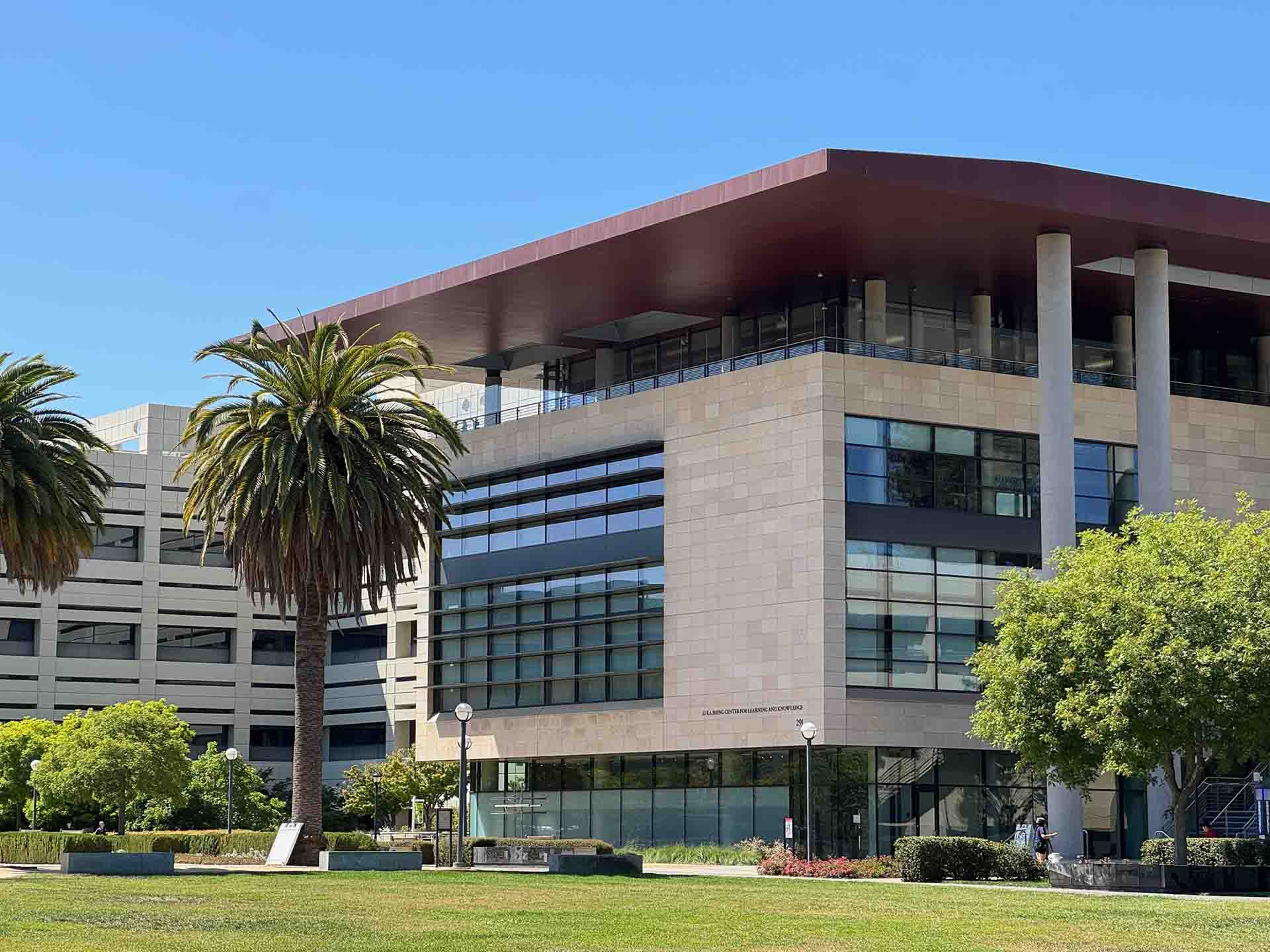
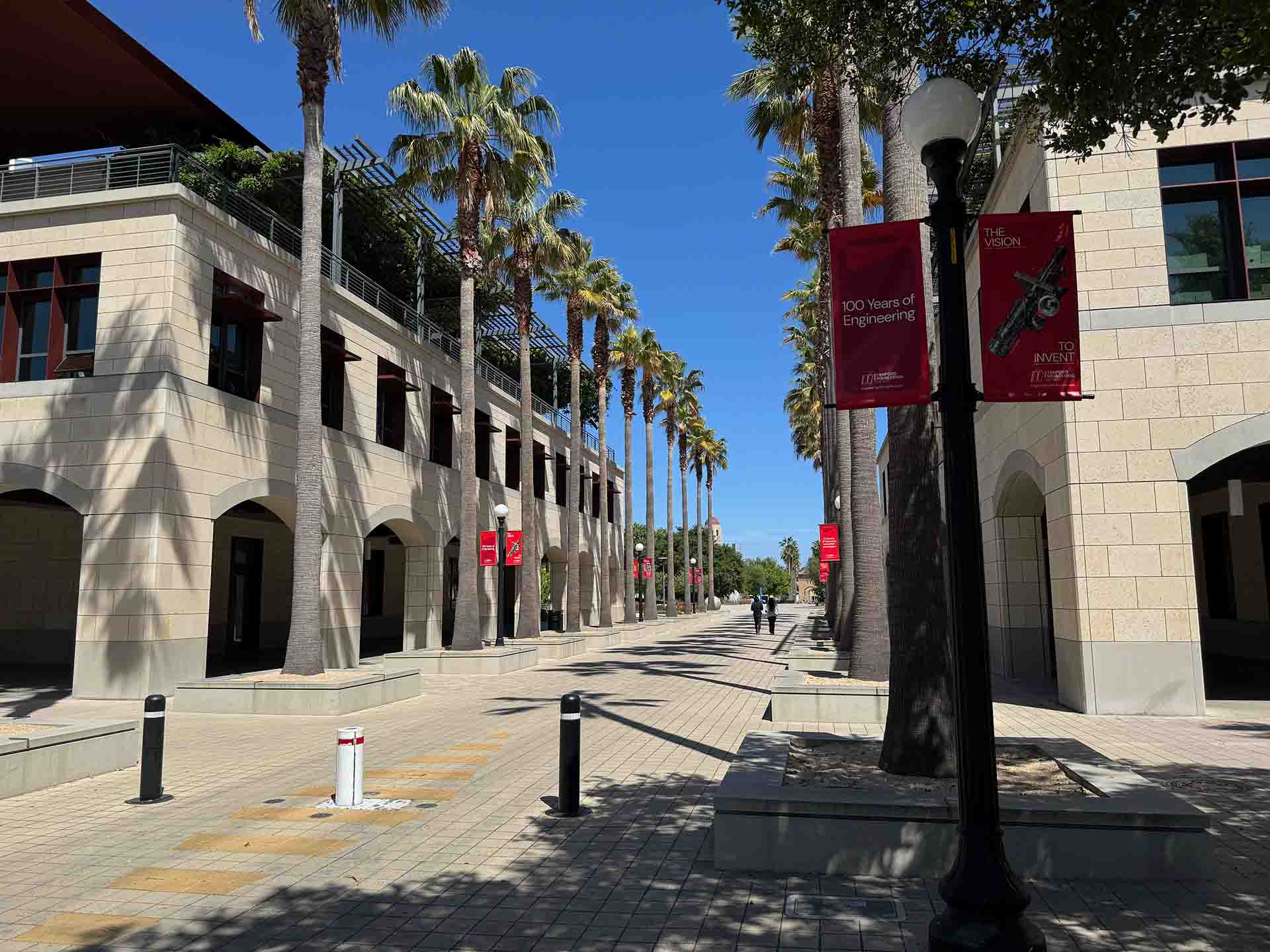
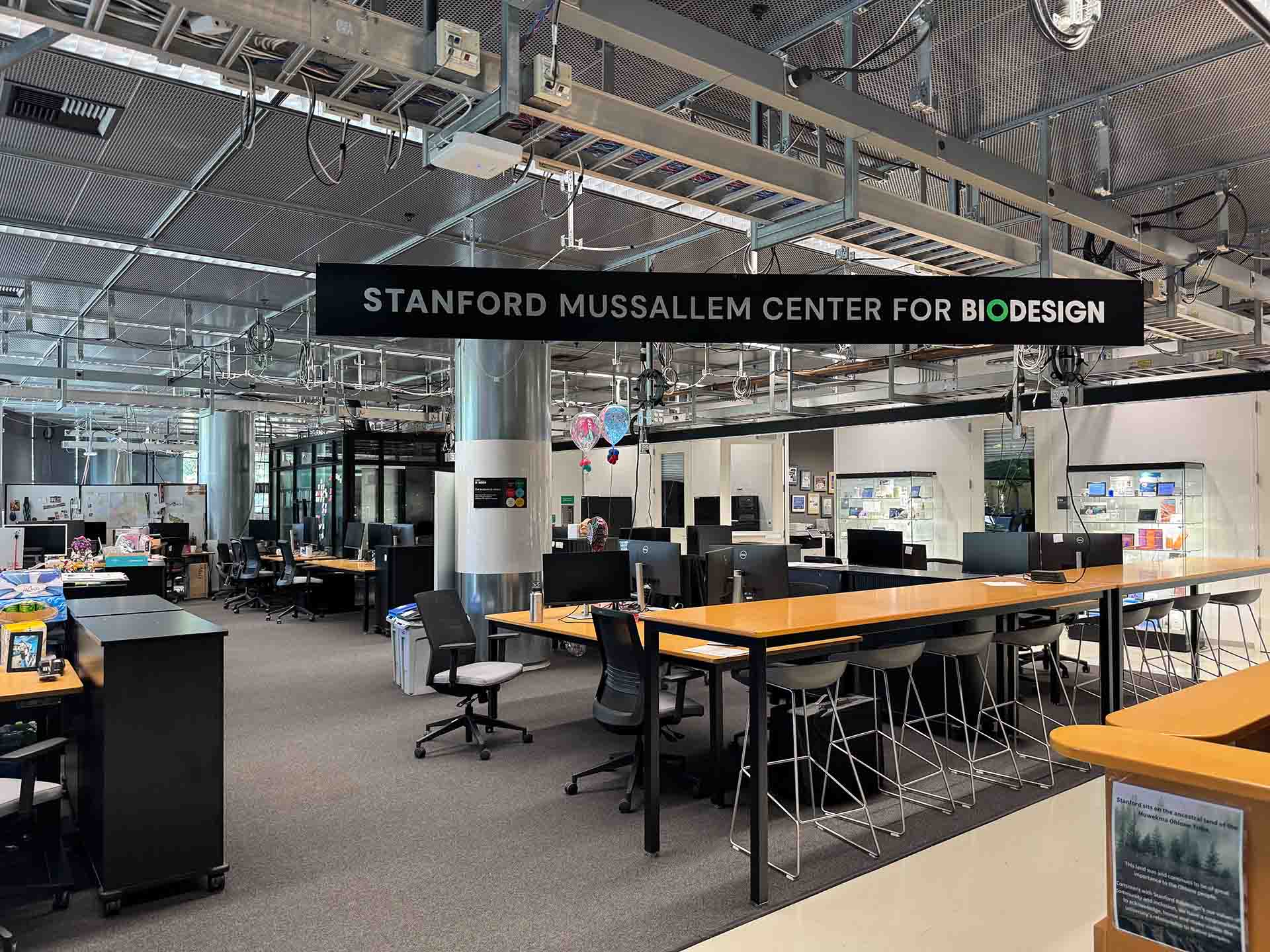
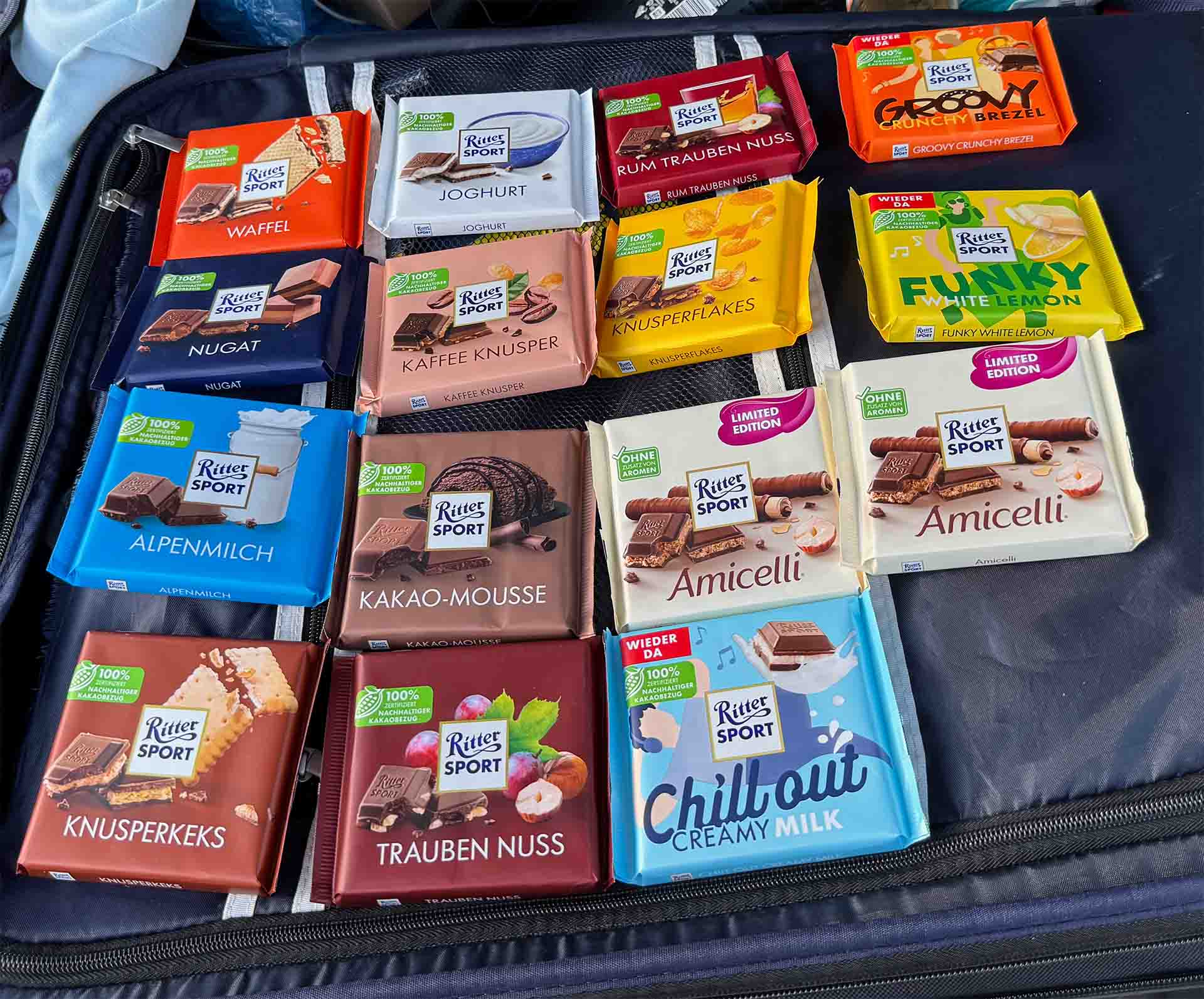
Soon after arriving, I settled in quickly thanks to the truly excellent weather and an exciting project, and a lot of things immediately started to feel like everyday life. Especially once, in the second week of my research stay, I was finally able to move into my studio in Escondido Village and no longer had to drive to the lab but could bike there instead, I truly felt like I had arrived—and as if I had always lived on campus.
The first week also consisted of several safety briefings and introduction meetings, setting up Stanford services including the Stanford Profile, and saying “hello” in various research group meetings.
My work on campus
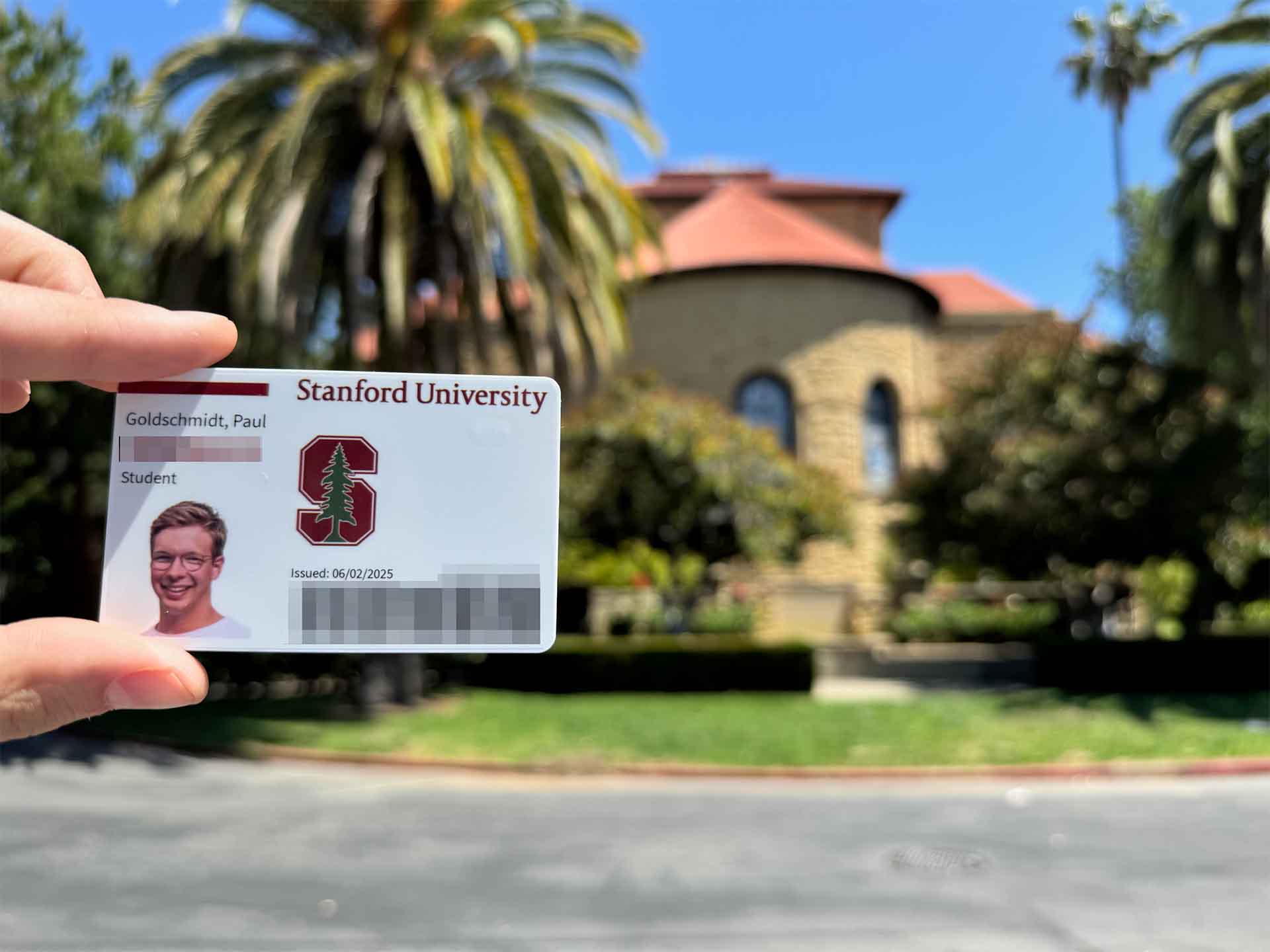
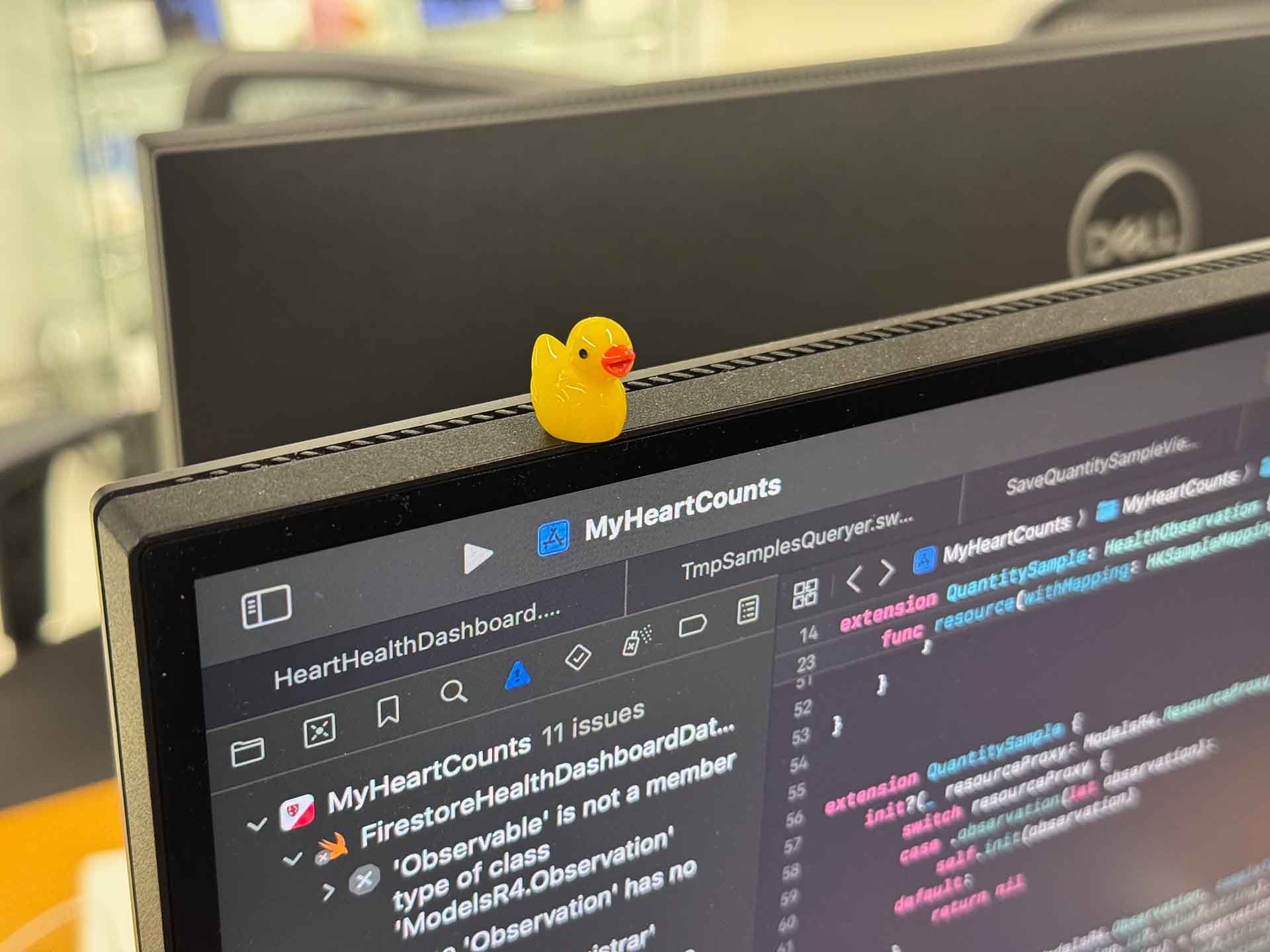
My week in Stanford naturally consisted mainly of work on the research project, the MyHeart Counts study, and the Spezi ecosystem—especially in the templating and base package area. That alone kept me busy for at least 40 hours a week. Since most meetings already started at 8 a.m. (so the European part of the team could still take part), my day usually began at 7:30 a.m. Then I’d quickly bike to the office, join the first meeting, and work until around 11 a.m., take a lunch break, and stay in the office until about 6 p.m. On hot days, I sometimes went to the nearby gym in the afternoon to get either a weight workout or cardio in the swimming pool done before the evening. In the evenings, I either sat down at my desk in my apartment or did something with friends on campus.
Stanford Spezi
Spezi, also a word in southern Germany and Austria for friend/buddy, is a framework for developing apps for clinical studies that use the FHIR data exchange standard. This standard is now widely established in the US; in Germany, it is currently becoming more and more of a trend. Spezi describes itself as an "Open-source framework for rapid development of modern, interoperable digital health applications". Spezi has been under development since 2022.
In the end, Spezi is a collection of software components (around 30 of them) that make it possible to develop apps in just a few days instead of months. Modules of Spezi include
Spezi Account,
Spezi Bluetoothor also
Spezi Viewsand
Spezi LLM. In addition, there are also—and that’s what I was primarily working on—with
SpeziFirebaseresources for a backend infrastructure for apps developed with Spezi, built on Google Firebase.
My Heart Counts
The My Heart Counts study is a study on heart health whose central component is an app that collects health data and is meant to motivate users to be more active. The app was first released with Apple back in 2015, at the time as the first app to use the Apple framework ResearchKit.
The study has been running ever since and has resulted in several publications. But over time it became increasingly clear that the study needed a new version built on the current technical state of the art. So work on version 2 of the app began in early 2025, and I was given the task of writing the backend for the app.
And that’s exactly what I’ve been doing since February 2025!
Student life in Stanford
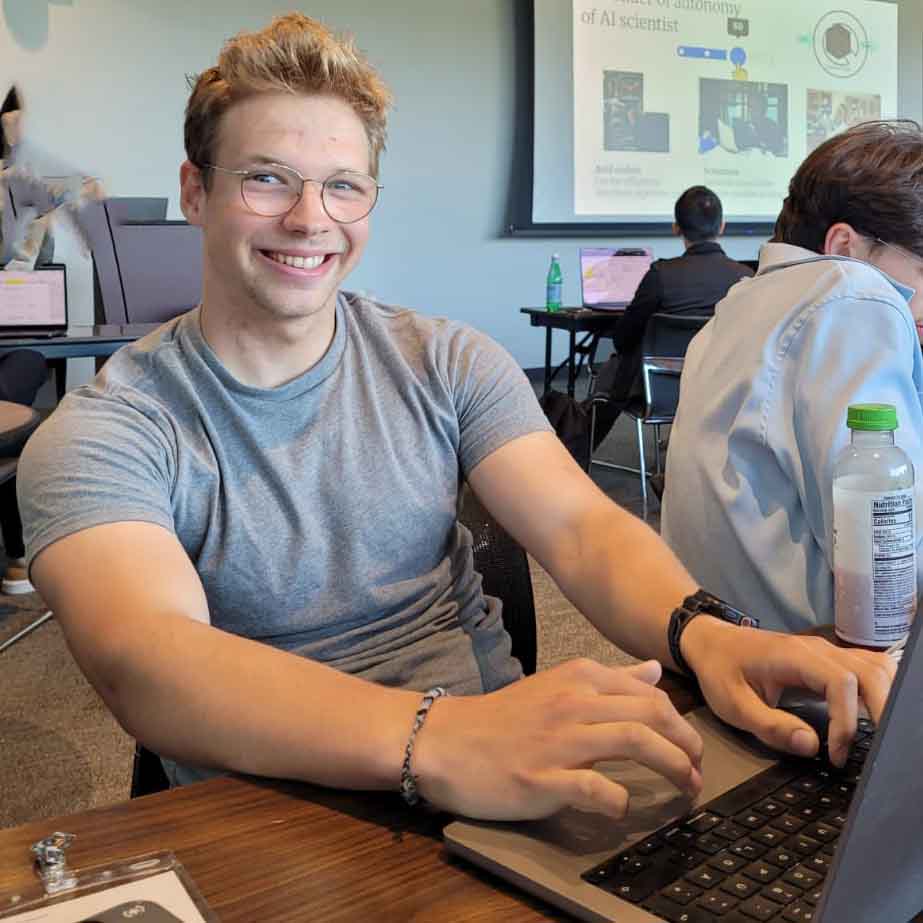
There’s plenty to do on the university grounds, which cover 8,180 hectares, and that starts with the university offerings themselves: Several dining halls offer three buffet meals Monday through Friday, with a meal costing around 10–13 US dollars for students. The largest selection is usually at Arrillaga Family Dining Hall, which also has a big brunch on weekends with food ranging from eggs and waffles to tacos and steak. The most beautiful dining hall for me is clearly Lakeside Dining near the undergraduate residences—you simply feel like you’re on a short vacation in Italy. With the student ID, you can get access to the buffet, and it’s also possible to bring external guests along with additional charges. I only went to the dining halls about once a week, though, especially because in high summer only Arrillaga Dining Hall was still open.
Much more often, I could be found with my colleagues at Greenfish Nexus (a cafeteria in the Clark Center with a private operator and truly excellent quesadillas) or at the Asian fusion restaurant "Blend" (my tip: 50/50 pork-beef fried rice box with all vegetables and fried onions).
Here’s a list of things I would put on the to-do list for every student and long-term visitor at Stanford:
- Fountain hopping (a campus tradition!)
- SLAC tour (registration opens about a month in advance, tickets go fast!)
- Visit the various regular meetups of different nationalities (Italy, Germany, China, ...)
- Watch a football game & understand the rules
- Take advantage of the sports offerings (climbing wall, tennis, swimming pool)
- Visit the Treehouse at Tresidder Union with other students, a small pub with live sports broadcasts
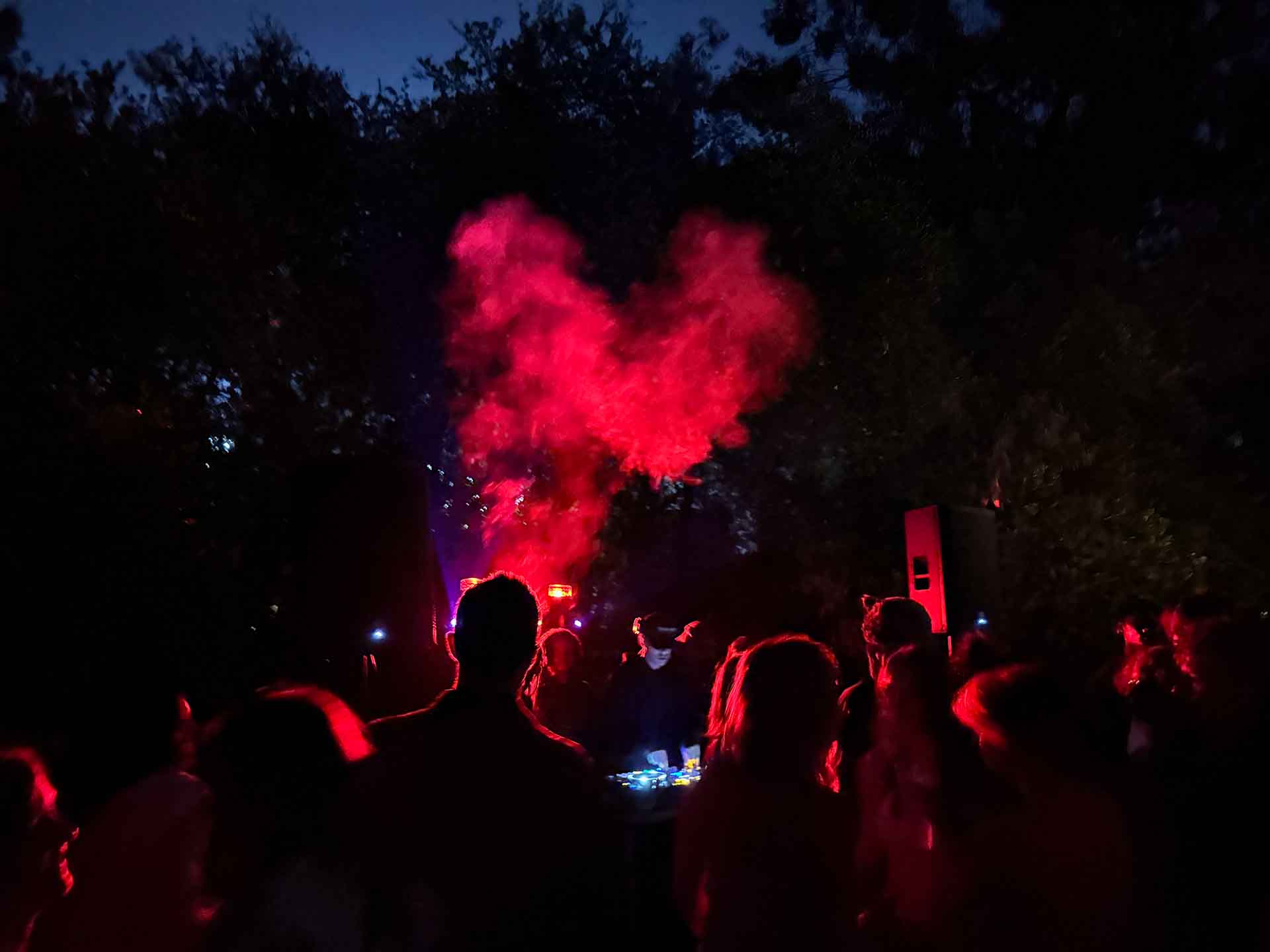
- Go to one of the student parties, either in co-ops like the Enchanted Broccoli Forest or outdoors, usually announced by flyers on campus
- Strictly speaking not on campus, but: Stanford Theatre
Travel
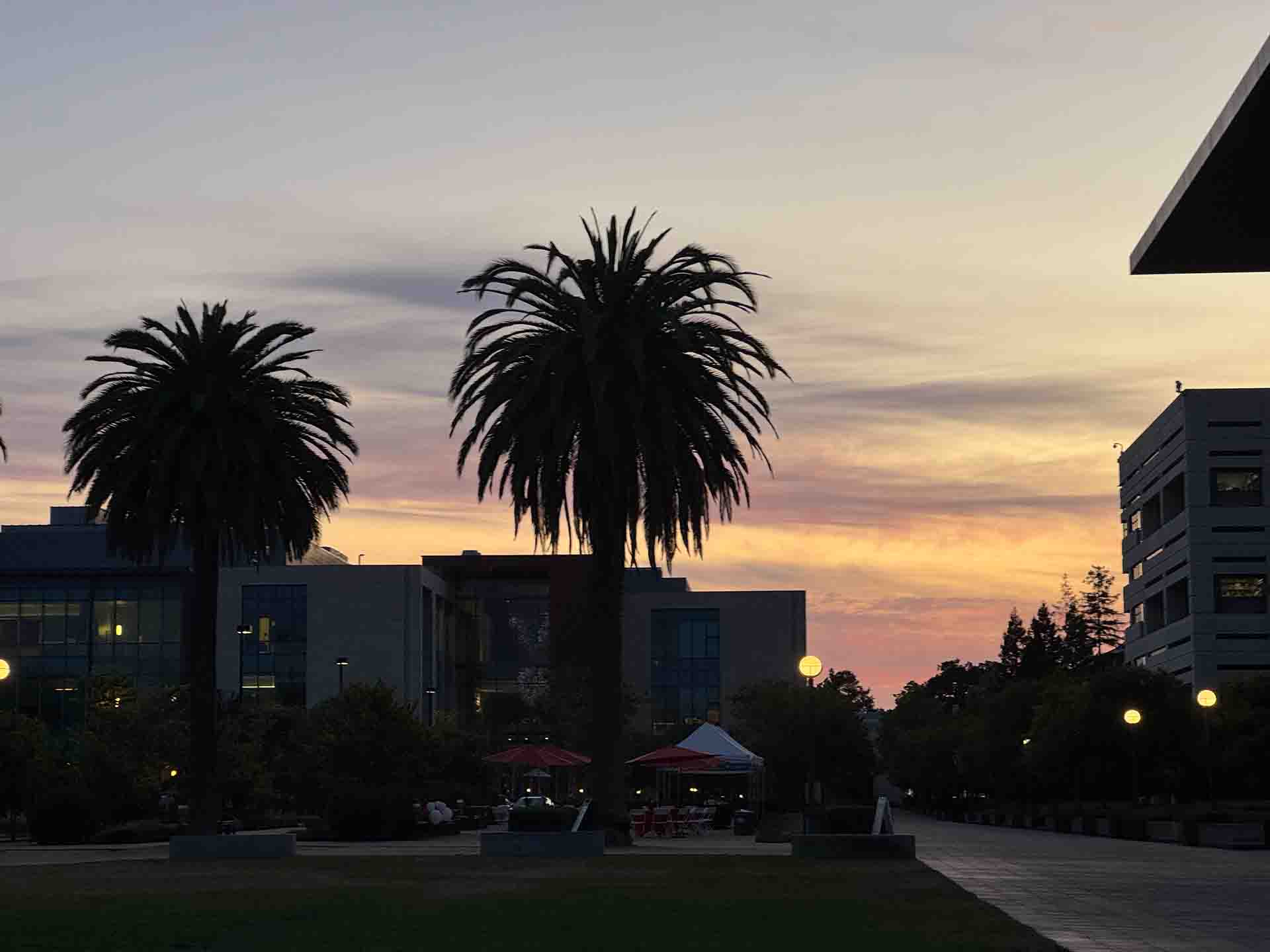
Over those few months, I went on several short trips and combined one conference trip with a bit of vacation. Here’s the travel report.
Hawaii
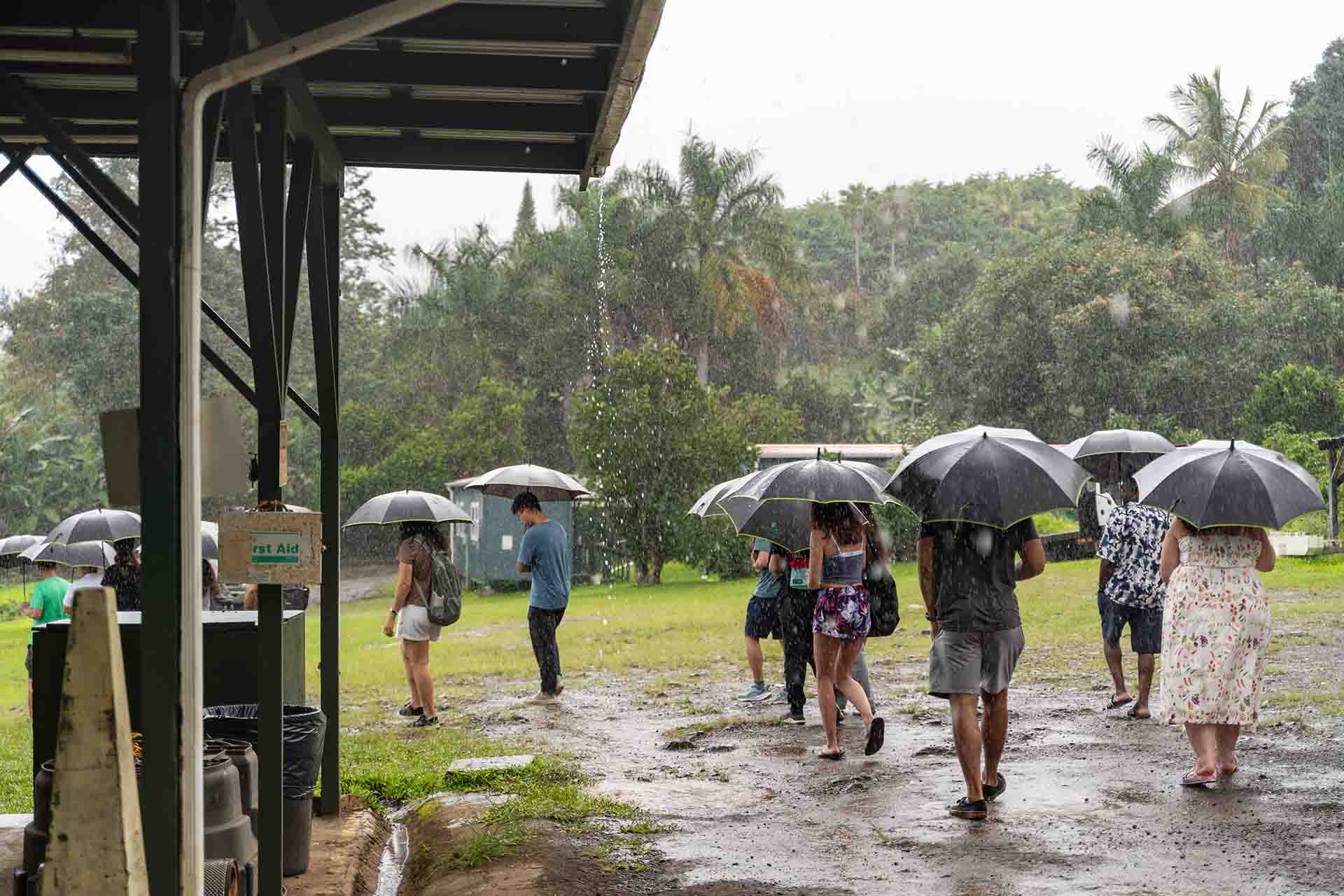
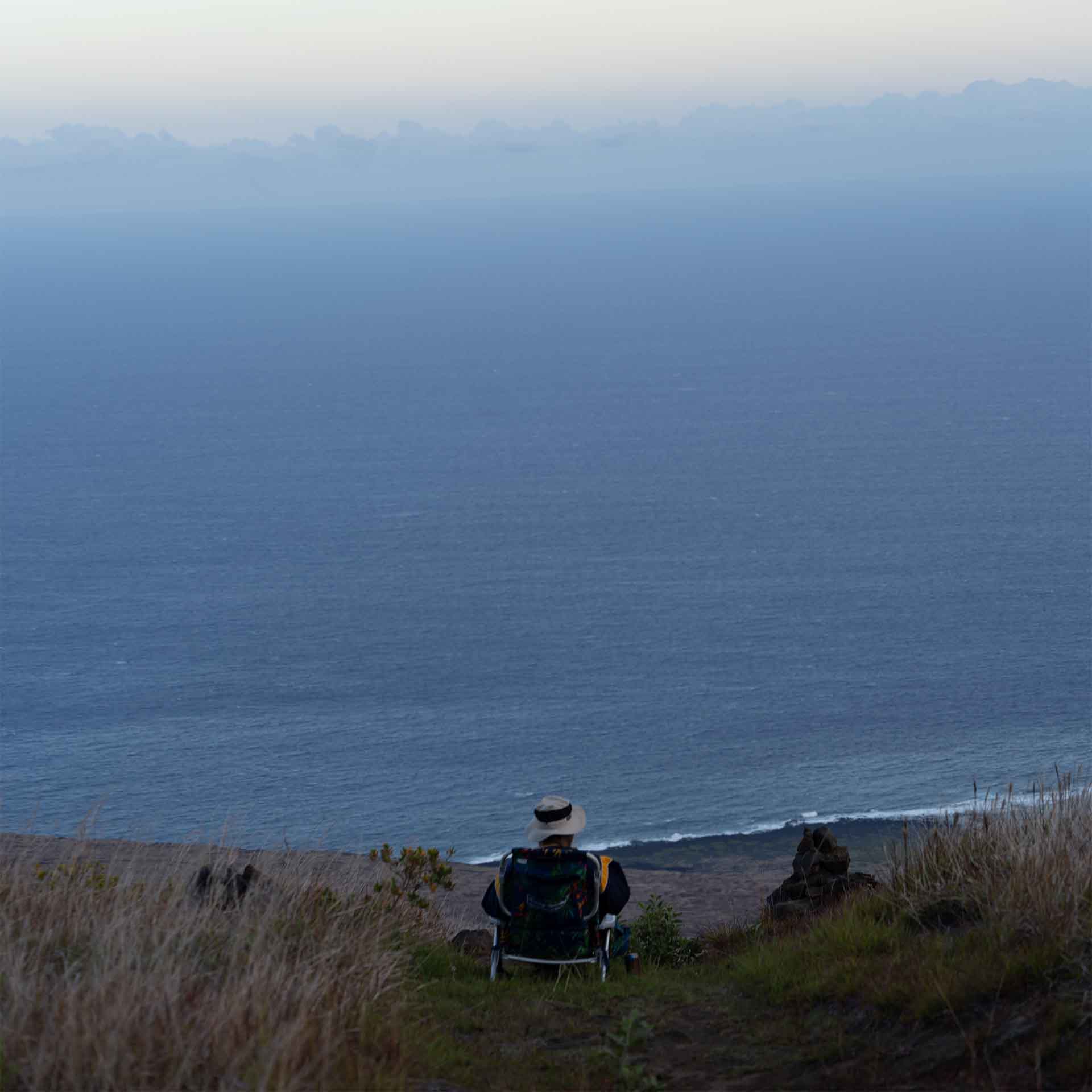
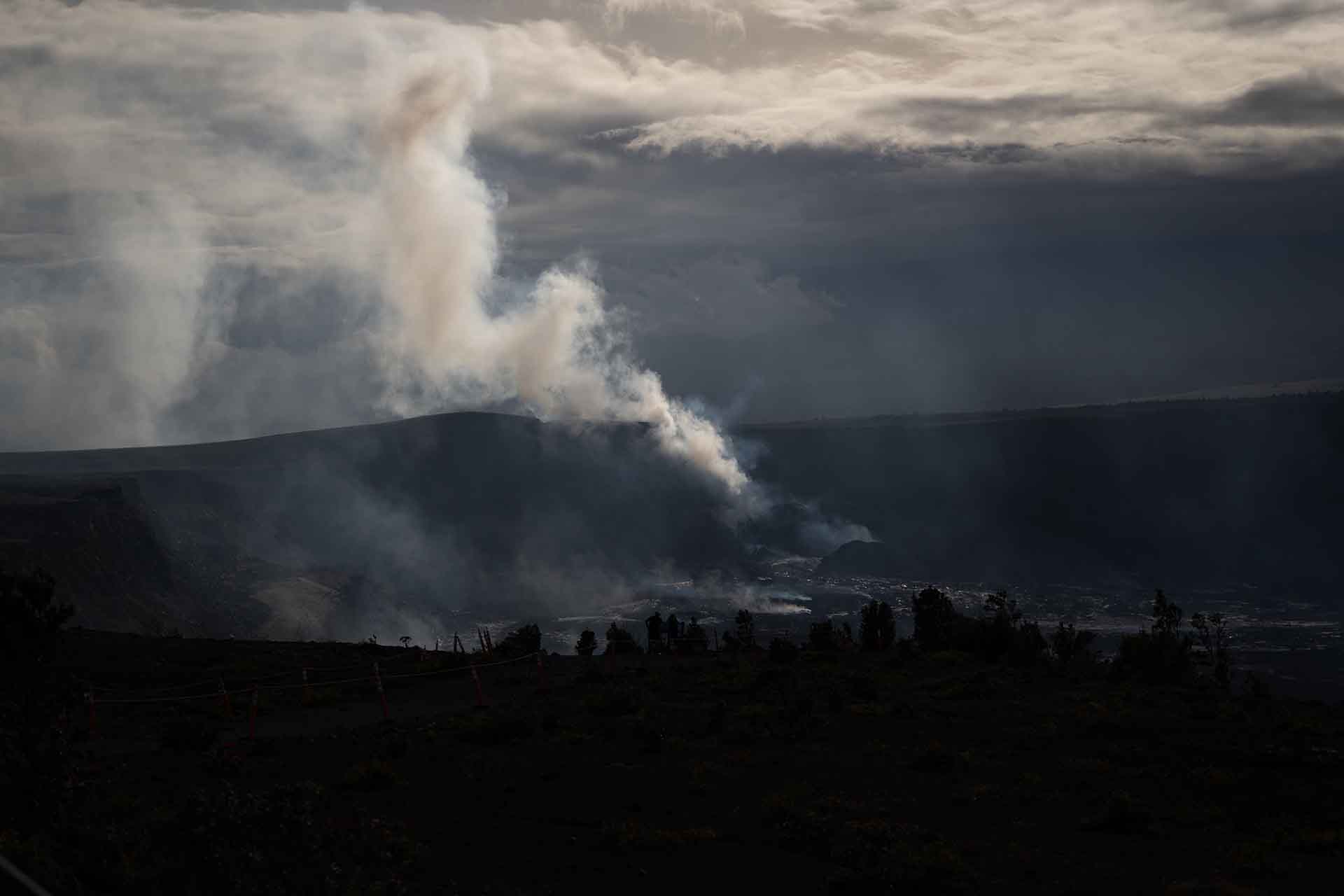
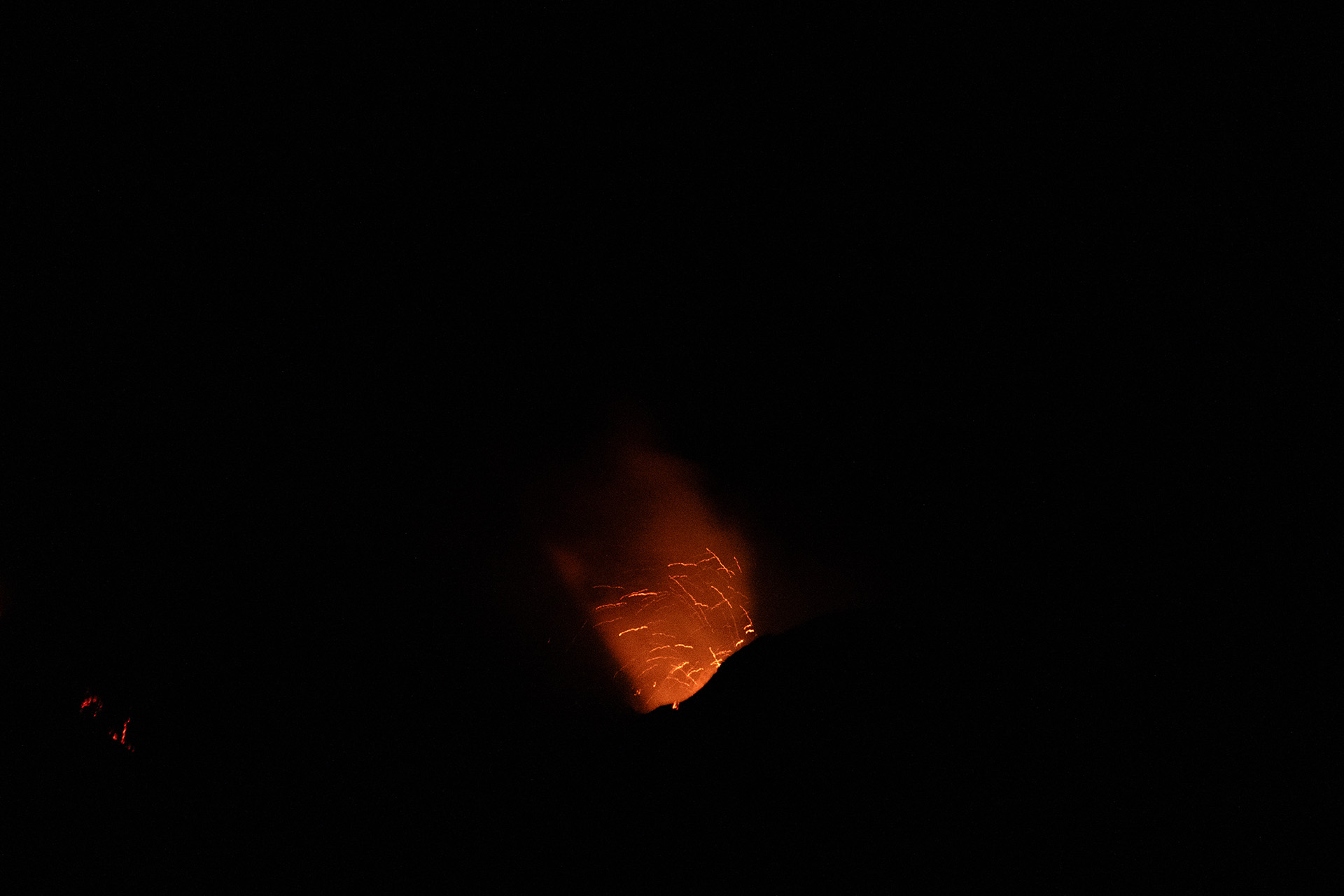
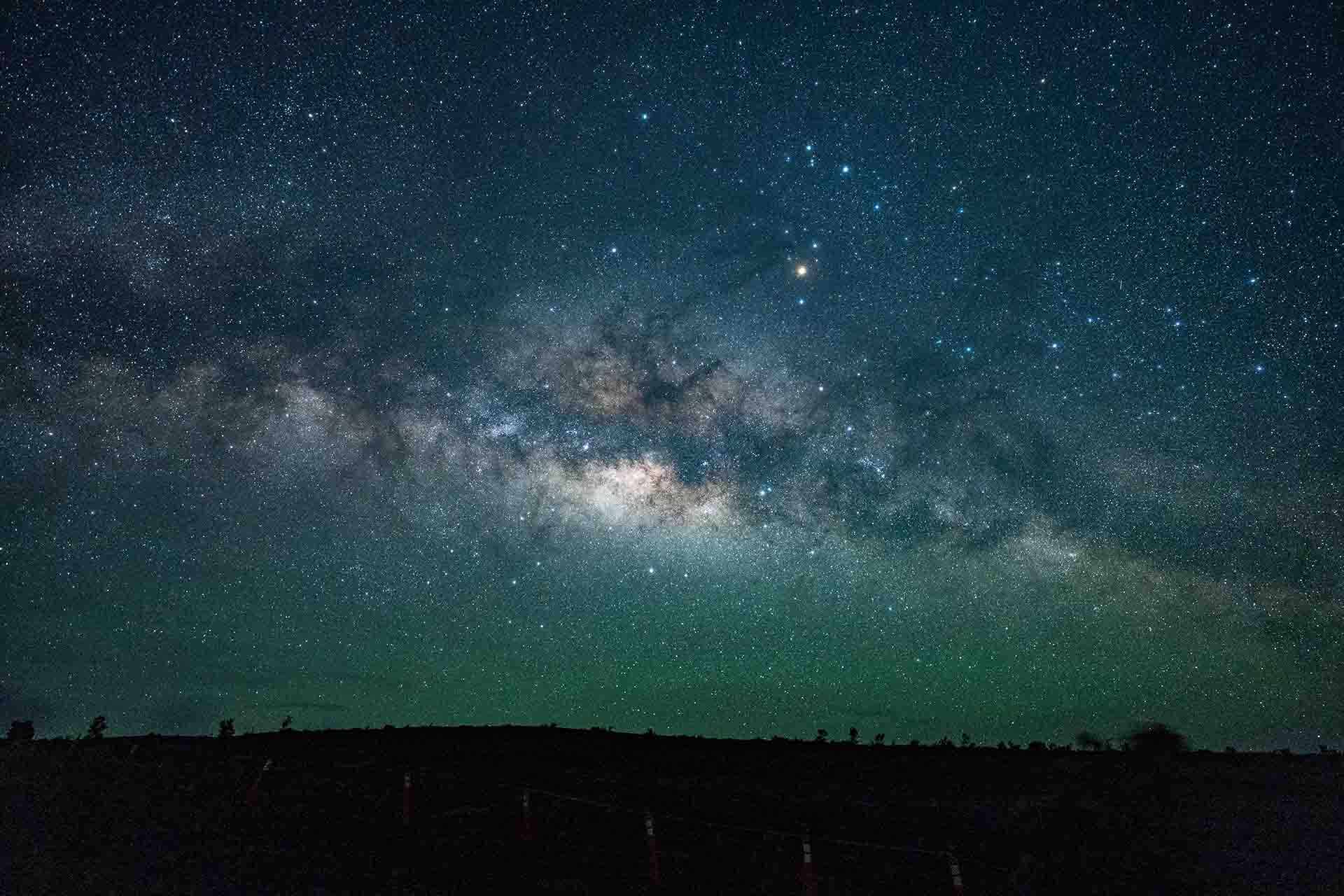
I spent a long weekend in Hawaii, exploring some of the nature around Kona on the Big Island. I first went exploring in Volcanoes National Park, where an older man sitting in a camping chair at the very end of a road several kilometers long (Hilina Pali Overlook) suggested I go watch one of the volcanic eruptions. Unfortunately, the next eruption wasn’t expected for another five days—at which point I was actually supposed to already be back on a plane toward the office. So I postponed eruption-watching to another visit and only spent one more day exploring the Big Island around Kona before taking a flight to the much more densely populated island of O‘ahu around the city of Honolulu. On that remaining day, I drove up Mauna Kea. To get up this mountain, which rises well above 4,000 meters, you absolutely need a four-wheel-drive vehicle—so I was happy that, by pure chance, the rental company had given me exactly such a car. There I not only explored the Pearl Harbor area, but also ate at Leonard's Bakery, which probably has the best donuts ever.
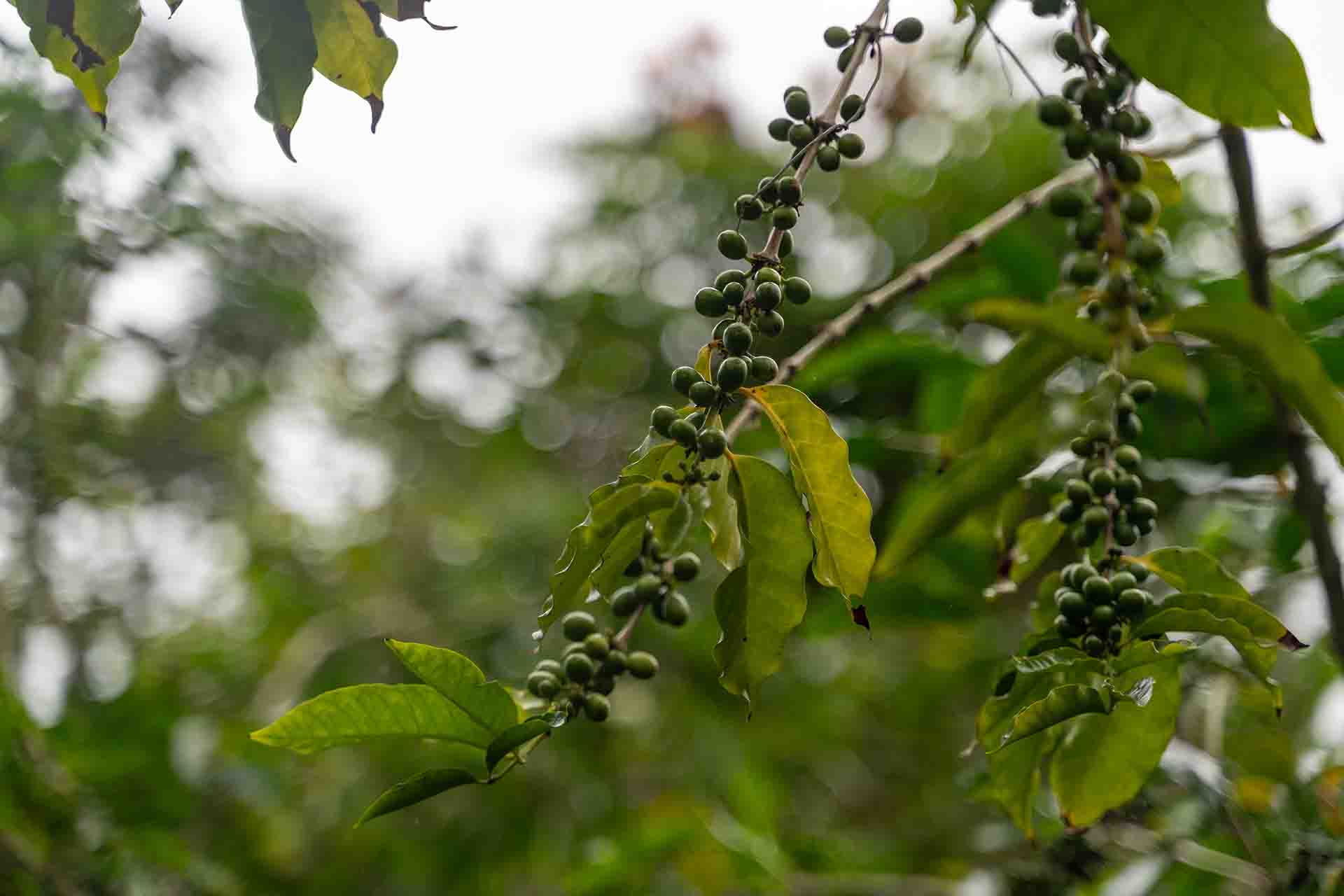
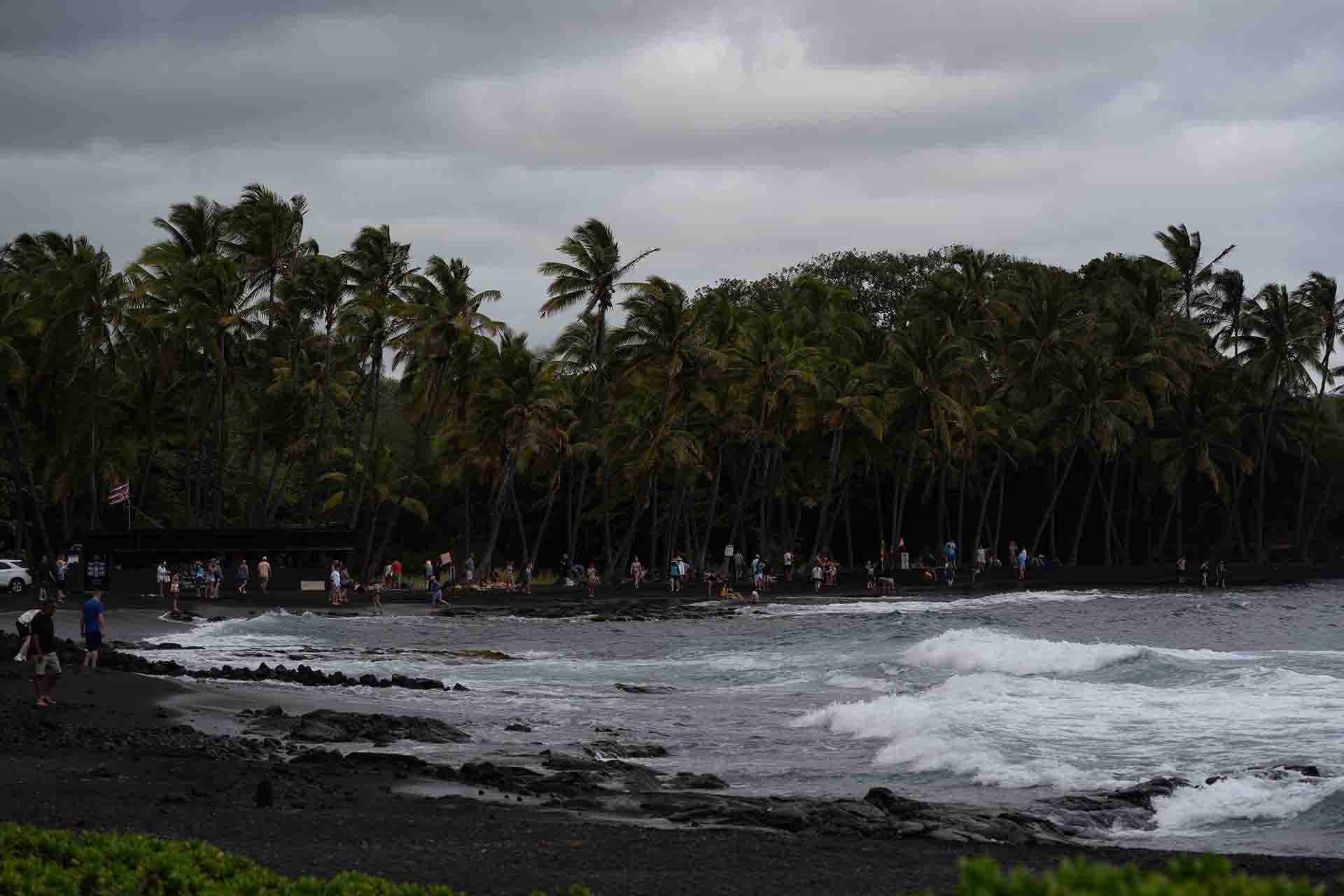
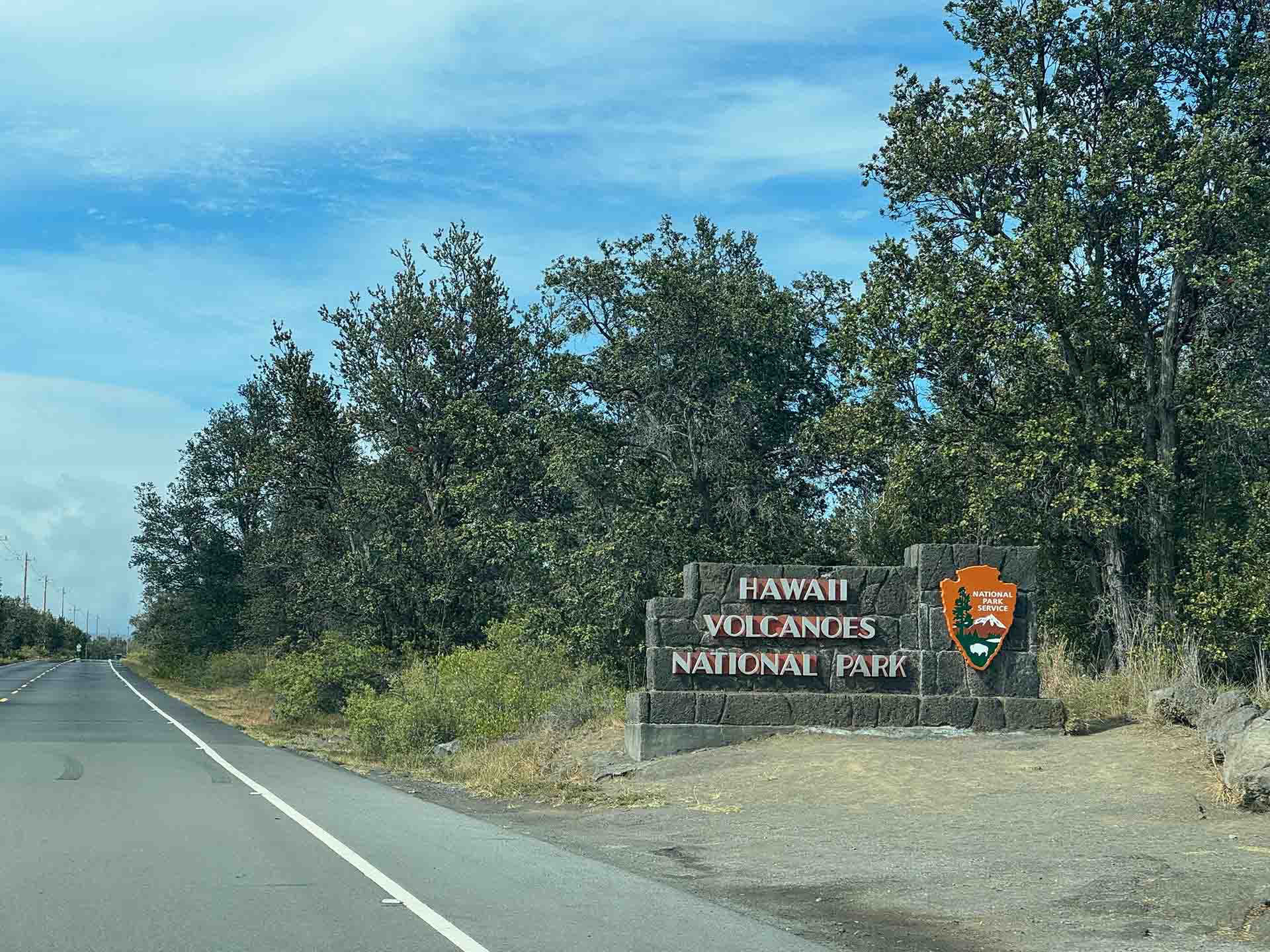
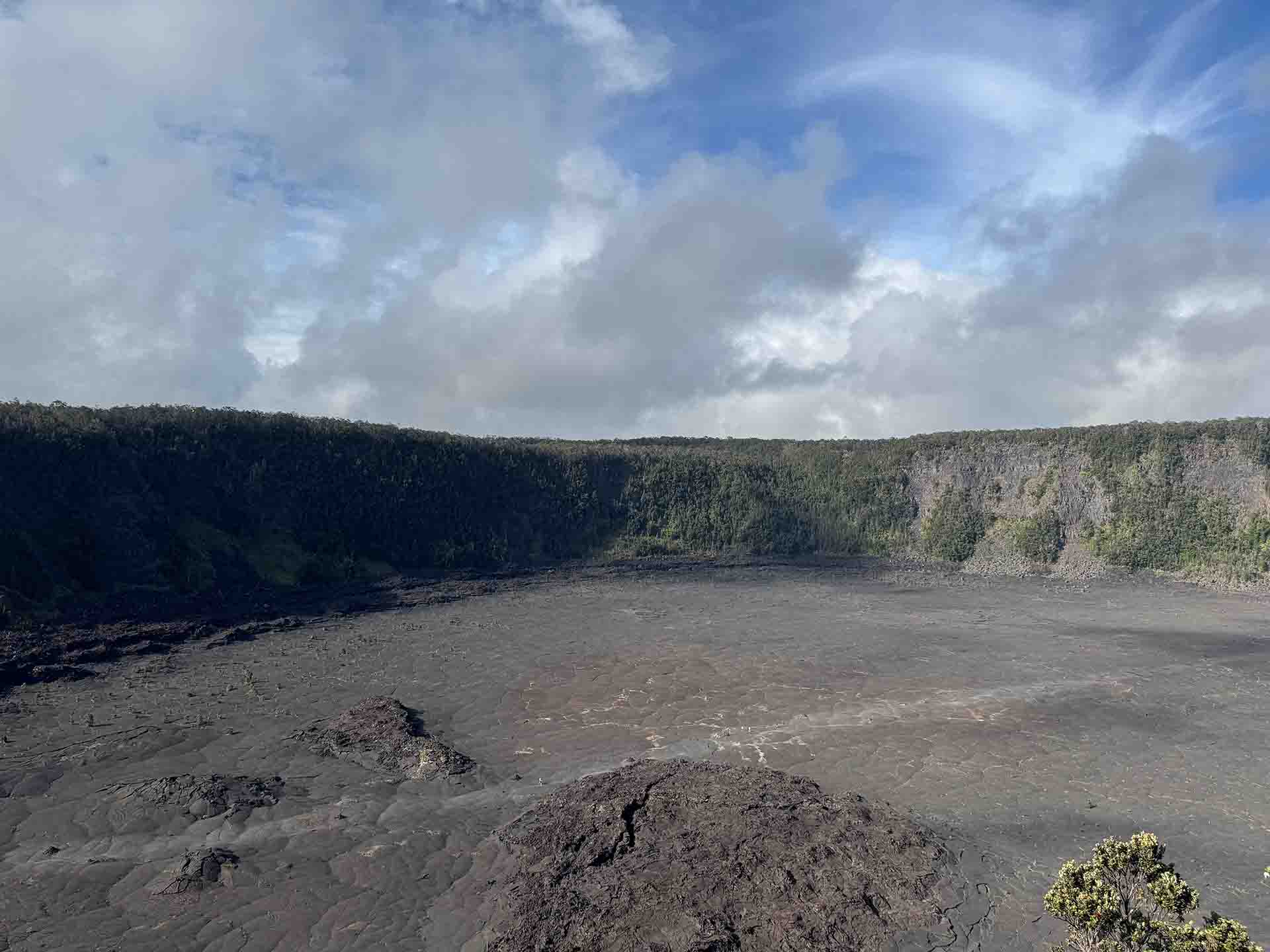
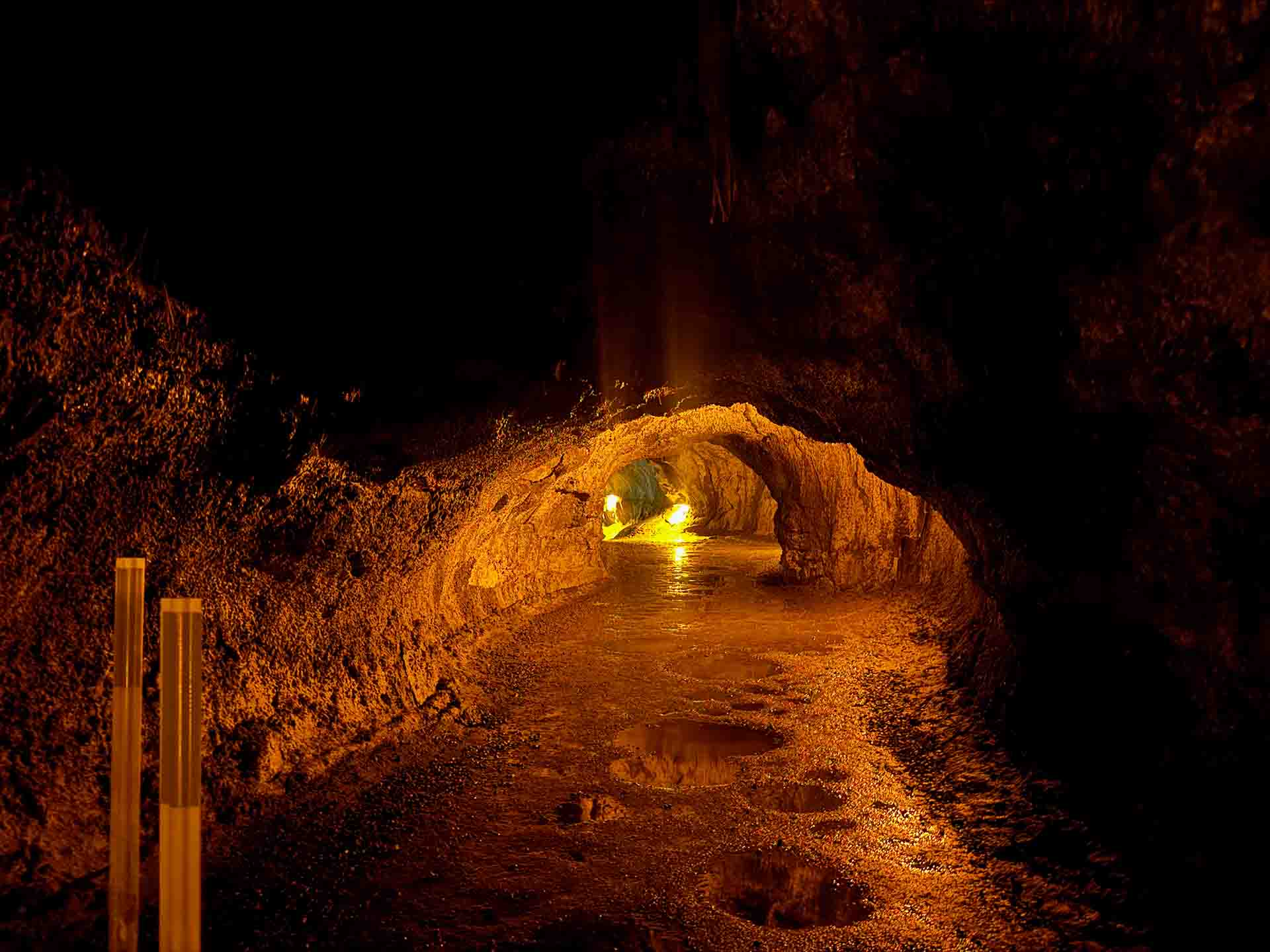
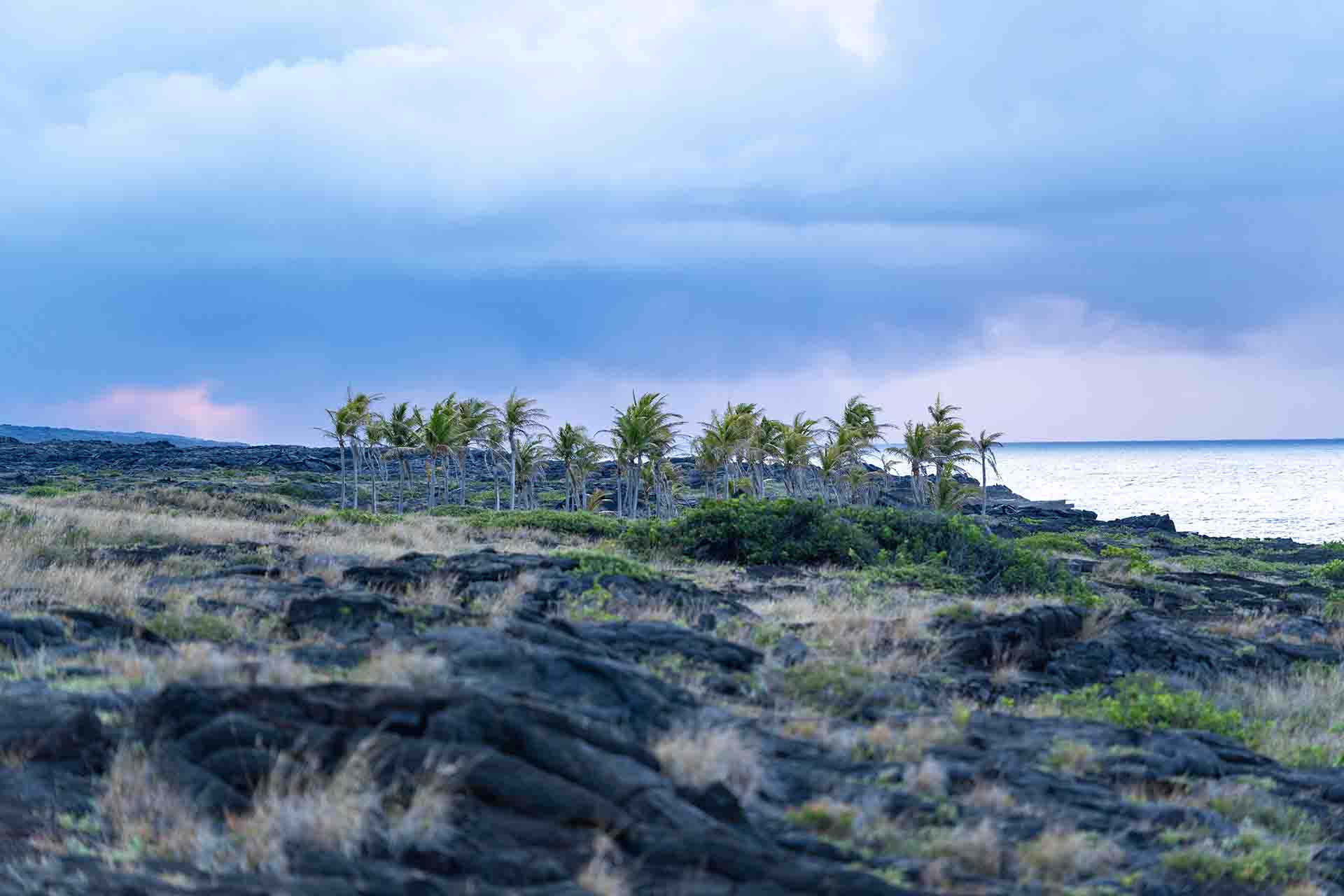
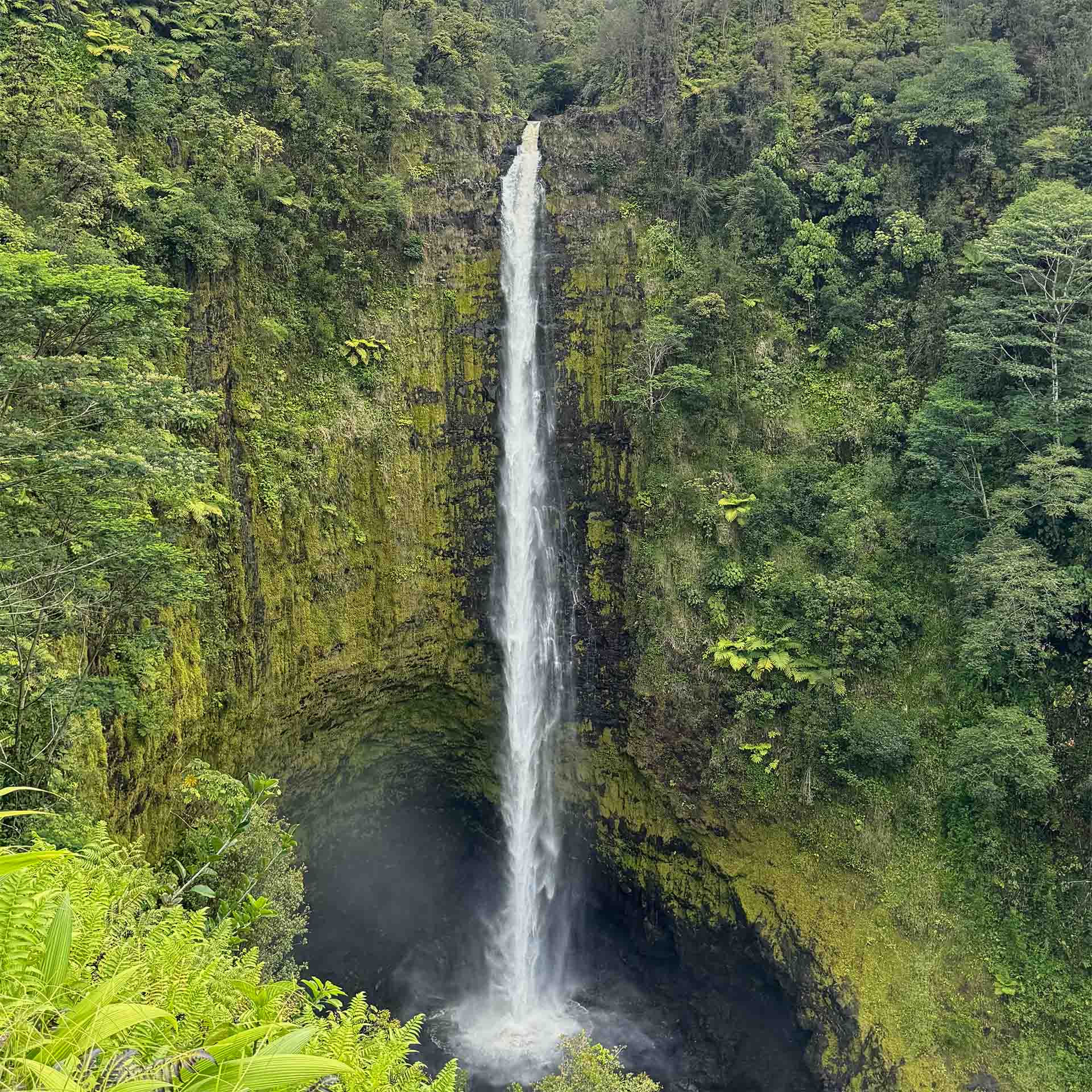
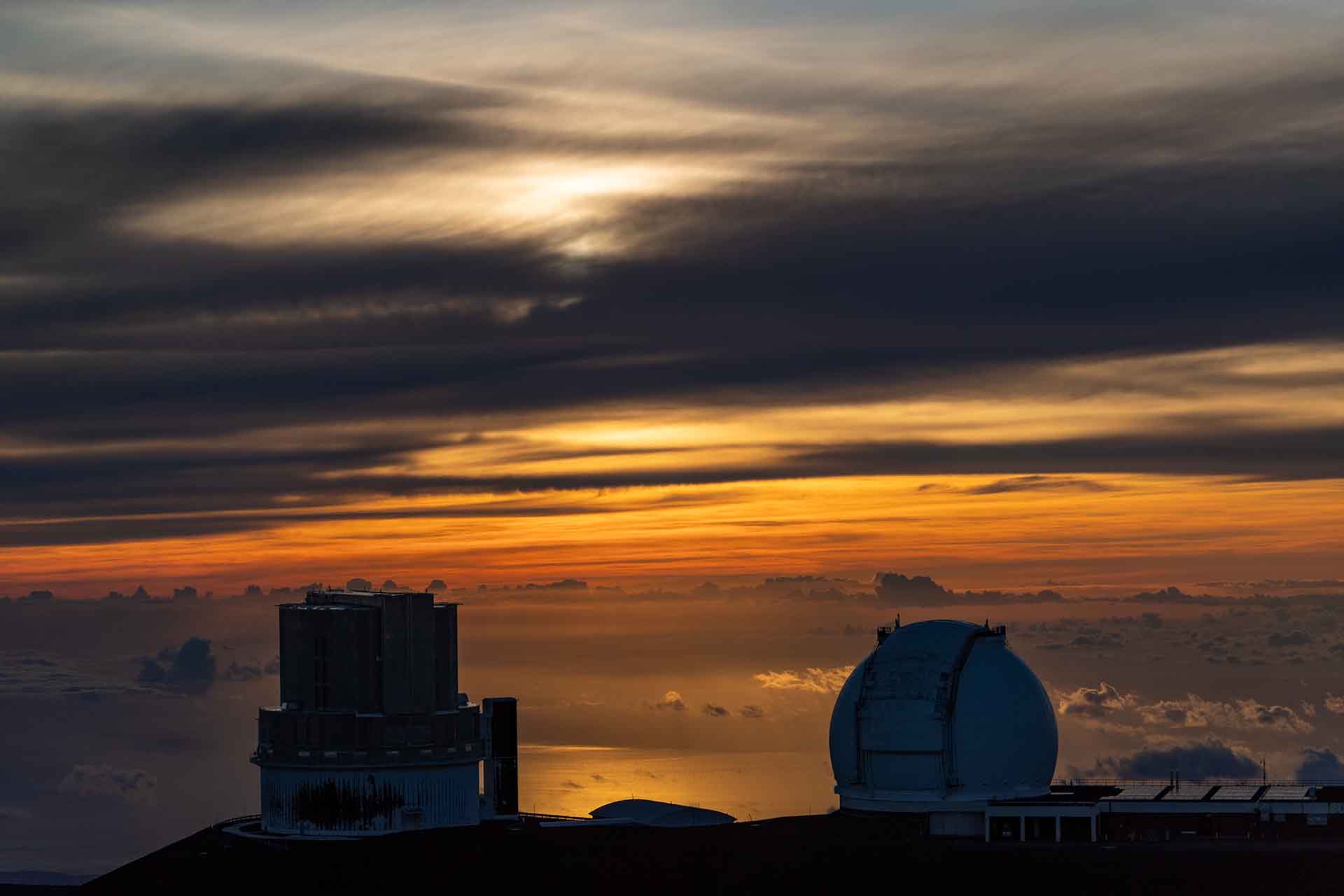
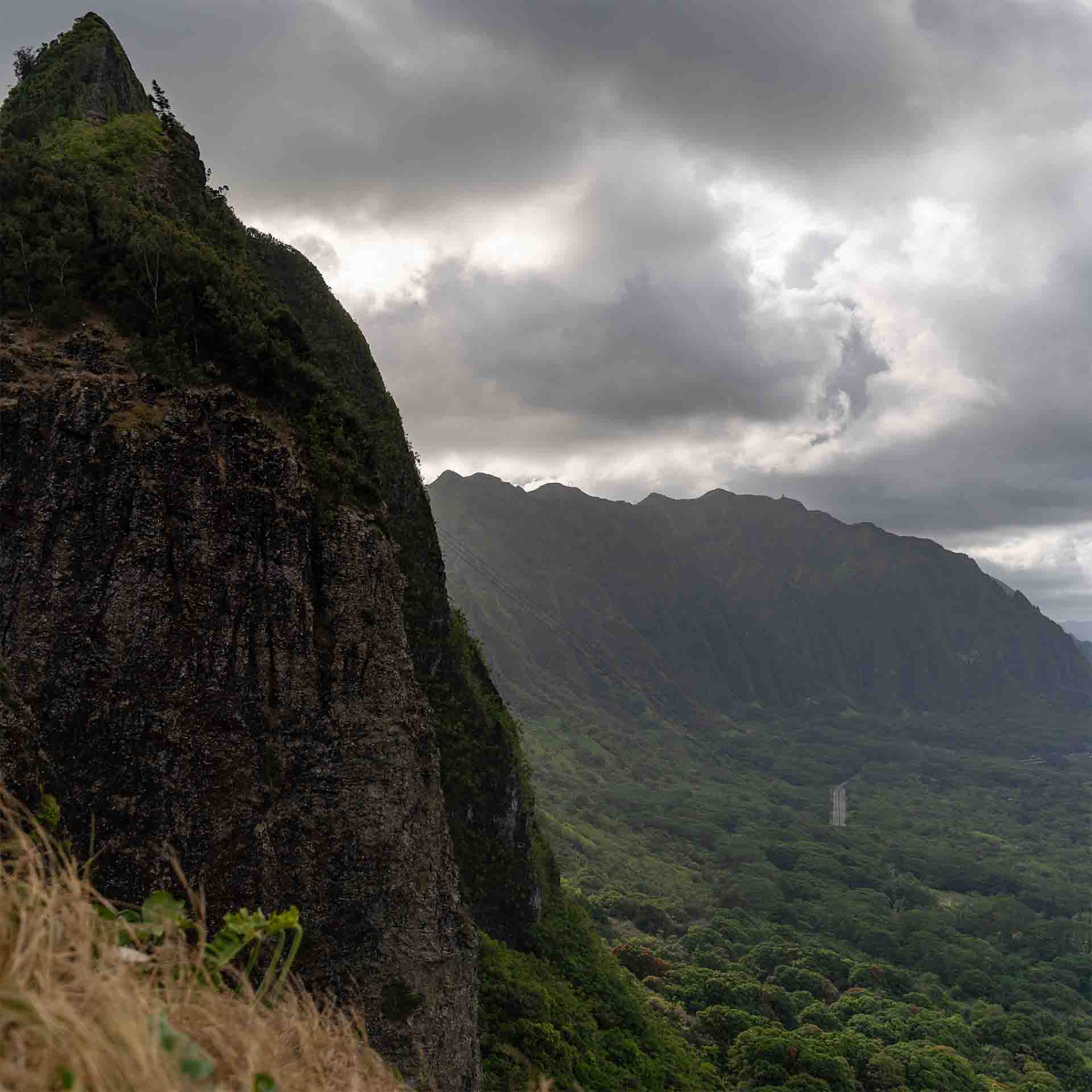
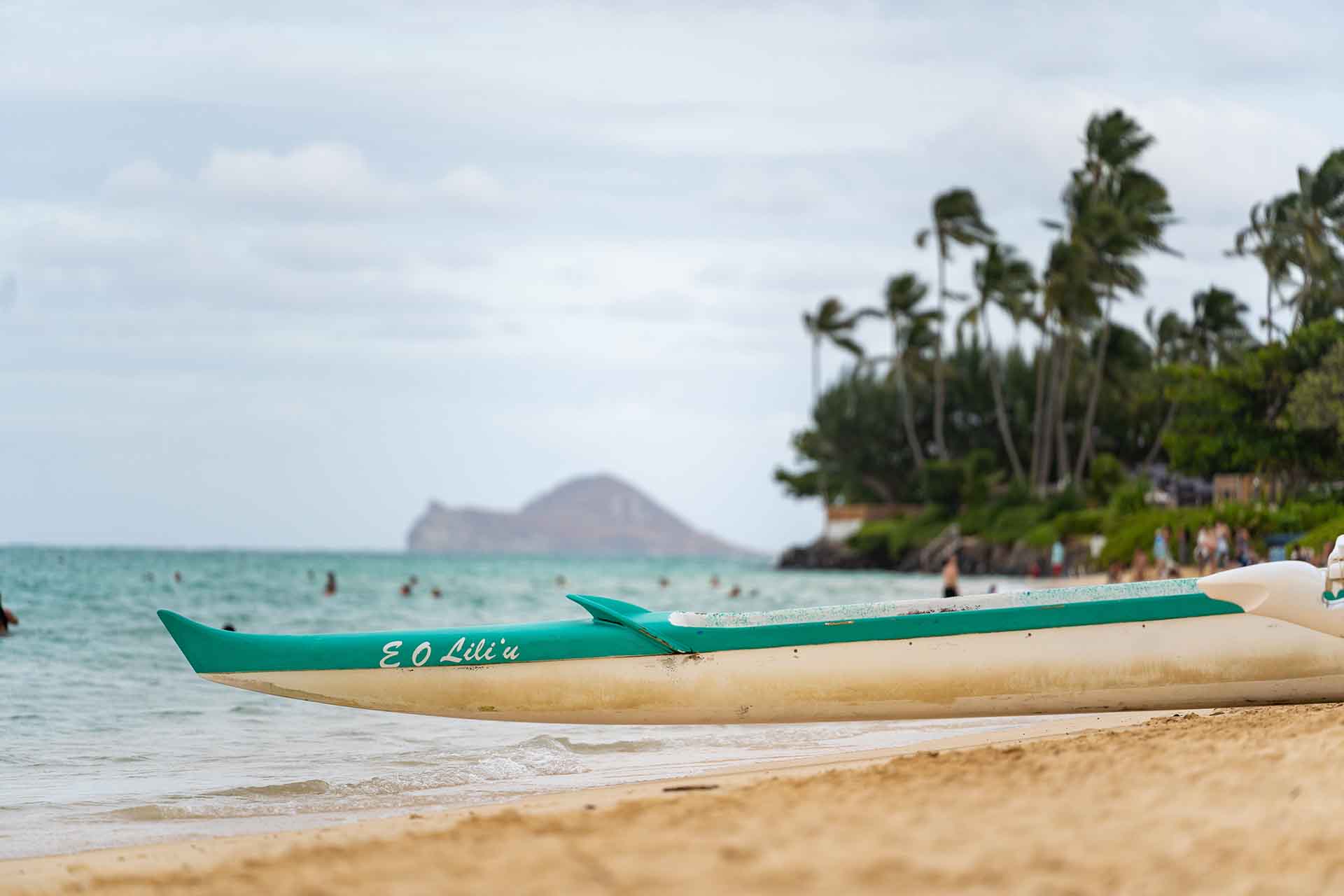
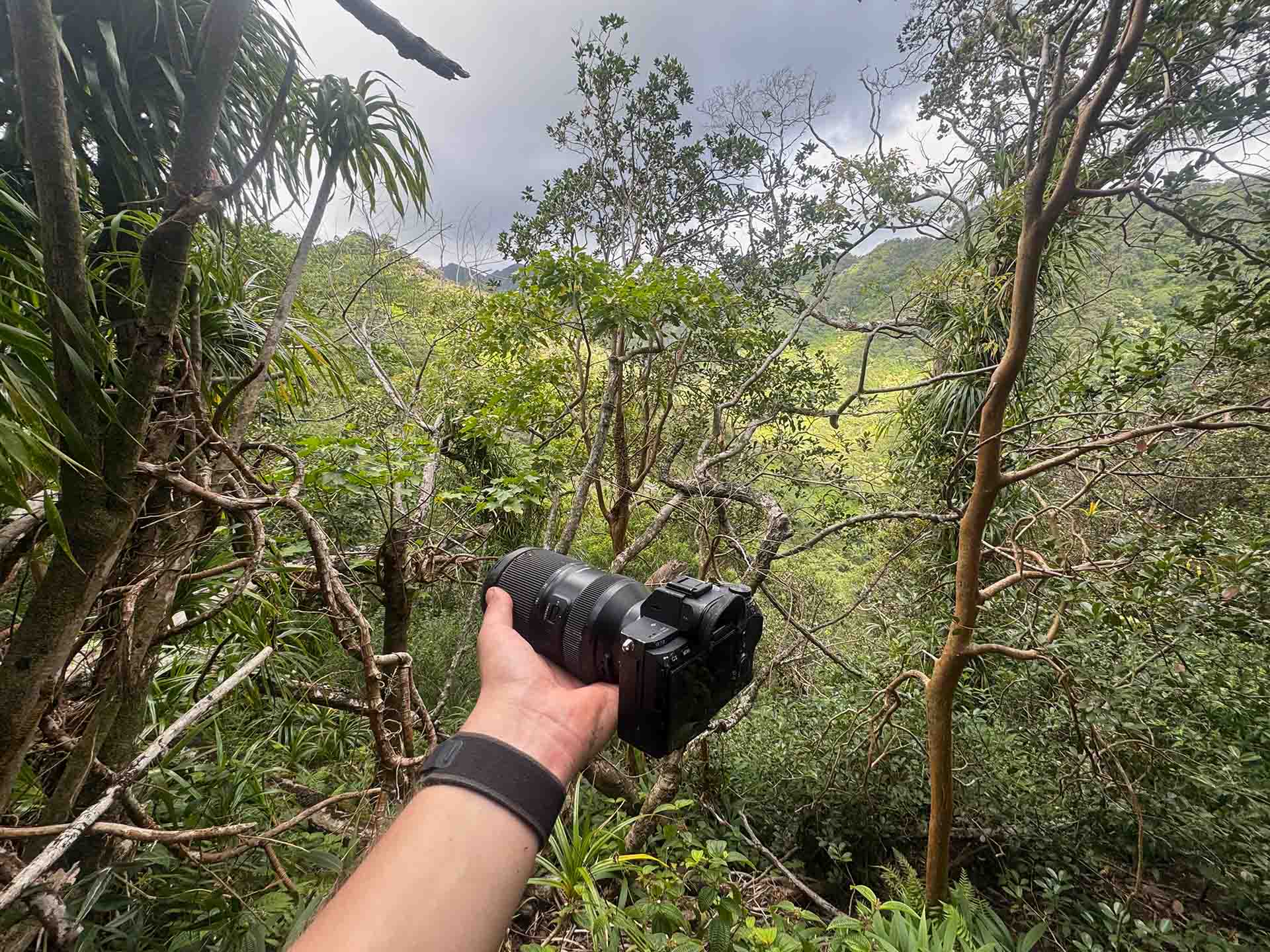
https://p3g3.de/content/files/2026/04/vulcanosteam.mov
Vancouver
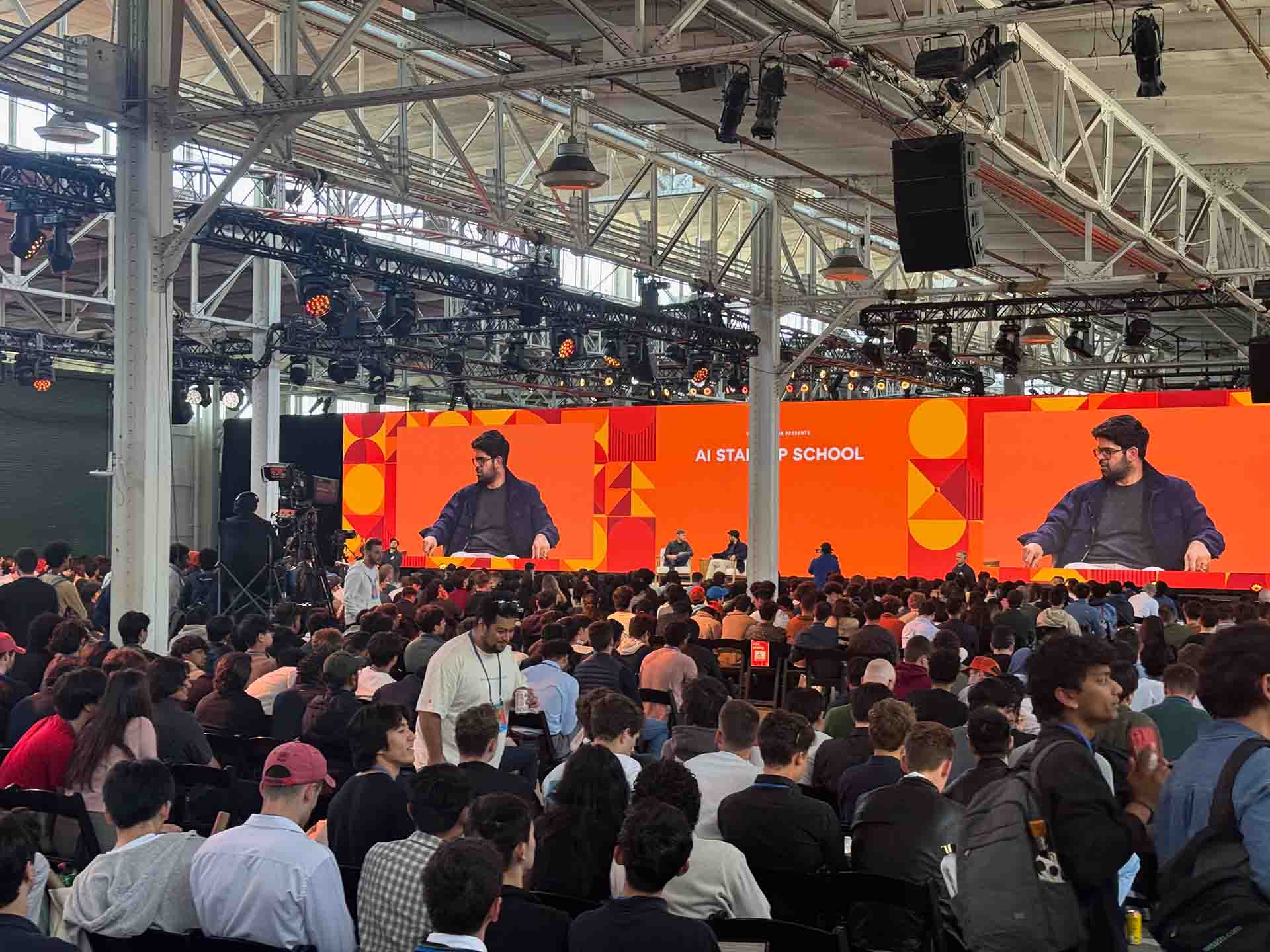
For ICML 2025 I flew to Vancouver, Canada, in July to spend a few days at the conference and learn. ICML itself was very exciting; the exhibition area in particular was interesting, seeing how all the quant firms presented themselves there. On the way back, I didn’t fly directly back to San Francisco, but spent two more days in Kona to maybe finally see an eruption of the volcano in the national park after all. I was checking the volcano update page of the US National Park Service almost every minute, but twice a day the expected eruption was pushed back by another half day.
Las Vegas - Yellowstone
I took my longest trip—and a kind of summer vacation—with my AIDA on a two-week road trip through Los Angeles, Las Vegas, Salt Lake City, and all the way to Yellowstone National Park. The centerpiece of the trip was my exhibition and visit to DEFCON 33 in Las Vegas. Before that, though, I drove my GMC Yukon to Los Angeles to watch a "Jeopardy!" taping. From Las Vegas, I drove over the next two days to Salt Lake City, and from there in a single day on to Yellowstone National Park. I spent two days there to see both Yellowstone National Park and Grand Teton National Park. The main challenge on the return trip was clearly the almost nonexistent internet connection in the national park. So I kept driving toward the western edge of the park again and again to sync my Git commits and fulfill my weekly working hours. On the way back, my highlights were the stop at the Bonneville Salt Flats and Lake Tahoe, where I went swimming in the lake to cool off.
Boston
For one weekend in August, I visited a friend in Boston, who showed me the city and was able to give me a closer look at Harvard University, where he is doing his bachelor’s degree. The difference between the East Coast and the West Coast stood out to me once again during the visit: in California, a car is almost impossible to replace, while in Massachusetts/Boston it’s almost like in major German cities—there, a car is almost always slower than public transport. On top of that, according to the stereotype, Boston drivers are supposed to be among the worst in the nation, so for getting around that weekend I used only the subway.
My highlights in Boston were eating hotpot, tinkering along the waterfront, and the Harvard campus.
Around campus
There’s also a lot to discover around campus in Silicon Valley: Right on the other side of the BART rail line in Palo Alto, you’ll find not only numerous startups, but also great restaurants (Zareen's Palo Alto, Pizzeria Delfina, Meyhouse, Cafe Venetia) and beautiful parks (Shoreline Park, the Dish area). You get a great view of the runways at SFO from the San Francisco Airport Marriott Waterfront Hotel.
Obligatory politics paragraph
At this point, I’m fairly sure that I can’t write a post about life in the US without saying at least something about politics in this huge, diverse country. First of all, it should be noted that Stanford in California is located in probably one of the most progressive parts of the country, even though Silicon Valley itself has been experiencing a noticeable rightward shift for years with Peter Thiel, Musk, and company. Every time friends and relatives asked me for my assessment of politics, my answer was relatively similar: you simply notice little to nothing politically, especially when it comes to politics from faraway Washington. If I heard anything about US politics, it was purely through major German media—which is a bit of a shame, but from my perspective the US is really only properly political during elections. Otherwise, topics like trade and security policy are largely skipped over.
Beyond that, in places like Texas or Florida, I had much more of a feeling of coming into contact in rural areas far away from the big cities with the sometimes very polarized opinions of residents (-> bumper stickers, signs).
I also find it incredibly regrettable what is currently happening in US politics, but I would argue against directly inferring people’s behavior or how they treat each other from politics. The people who were already unfriendly in 2024 under a Democratic presidency still are, and vice versa.
Even under the current political banner, Stanford is a truly wonderful experience with super friendly people, incredible opportunities in research, and a diverse and modern campus. What happens in Washington feels very far away there on the Pacific coast; as long as you can enter the country (which for me worked without any problems and faster than ever), an amazing time is guaranteed. And the research published there remains highly relevant internationally.
Thanks
There are many people I want to thank for the opportunity in the first place and for the unique time in Stanford: first and foremost Paul and Felix, of course also Lisa, Oliver, Vishnu, Aydin, Paul K., Lukas, Arek, Leon, Carolyn, Antje, Linda, Jill, Peng, Patick, and Josh.
In conclusion, I can say this: there has probably never been a time in my life that shaped me so much in such a short period. And the saying "Stanford is 13 square miles surrounded by reality" really does seem to be true. Will be back, Bay Area!